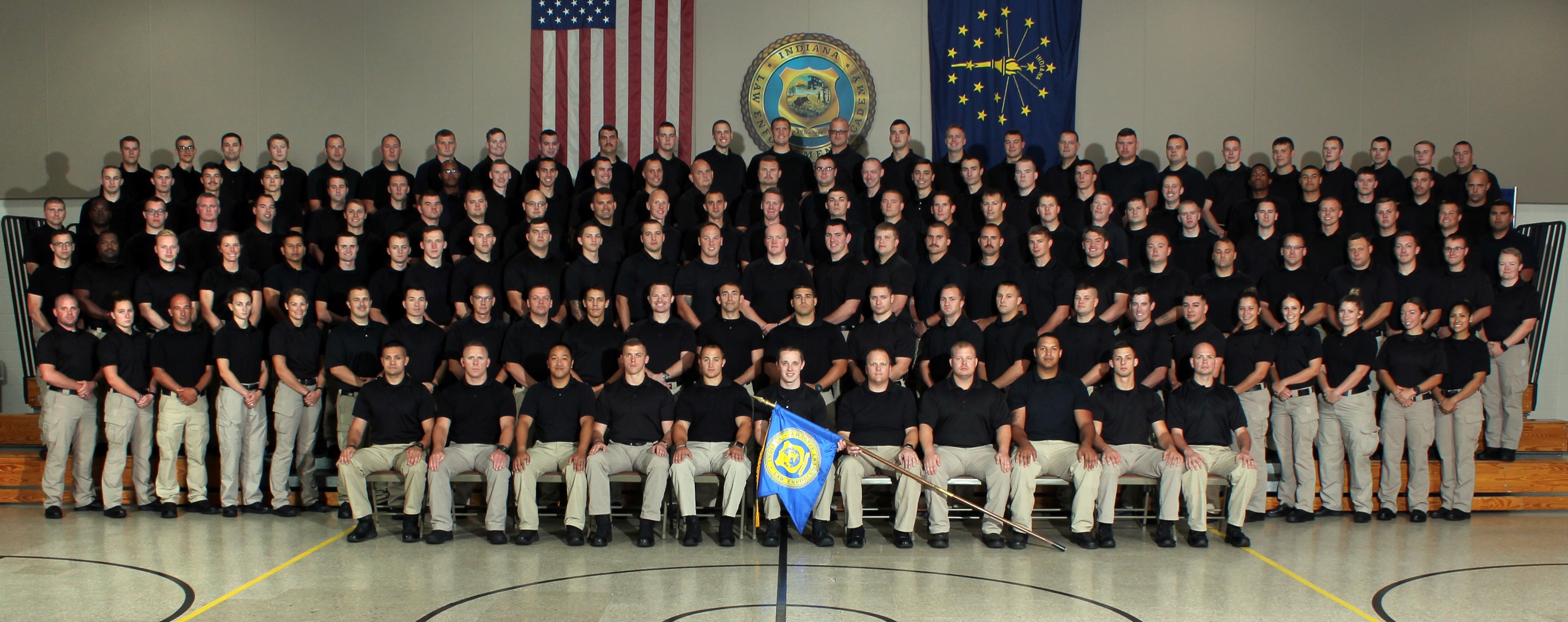
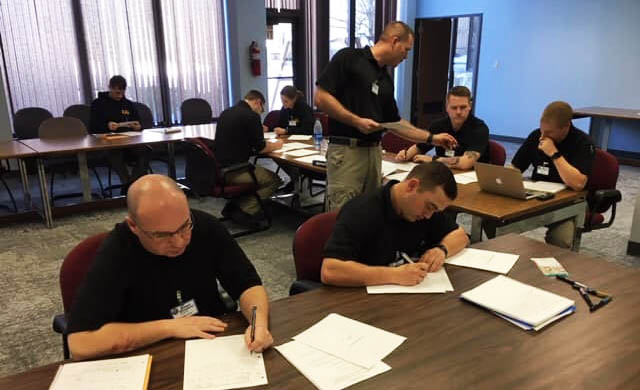
The Academy's Basic course of study is a 16-week residential course that incorporates practical and classroom exercises with lectures for new law enforcement officers, consisting of over 600 hours of training. Some of these topics include:
- Legal courses of study in traffic law, constitutional law, criminal statutes and specific criminal investigations, courtroom preparedness, and evidence collection
- Officer wellness, professionalism, communication skills, and de-escalation
- Interacting with members of the community including those with mental health concerns, disabilities, juveniles, and victims of violent crimes
- Police investigative standards including interview techniques, report writing, crash investigations, and impaired driving investigations
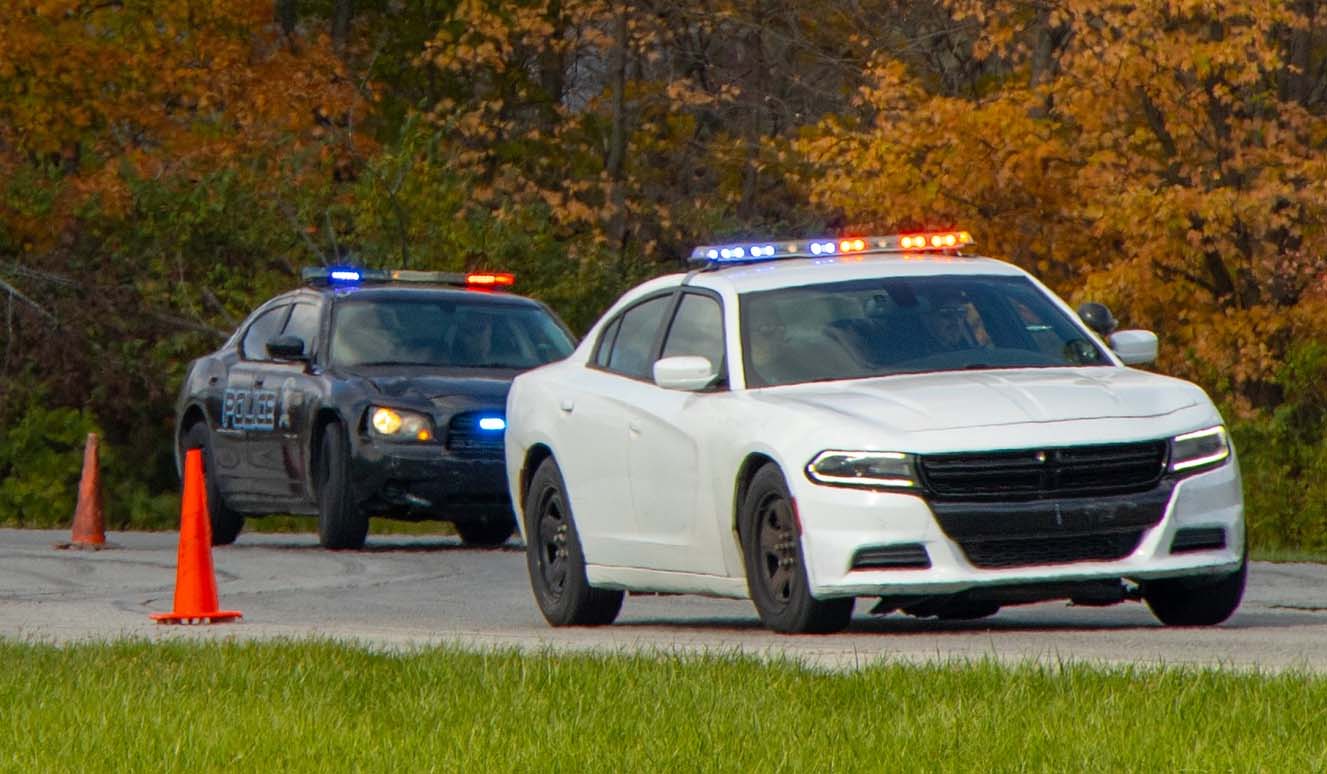
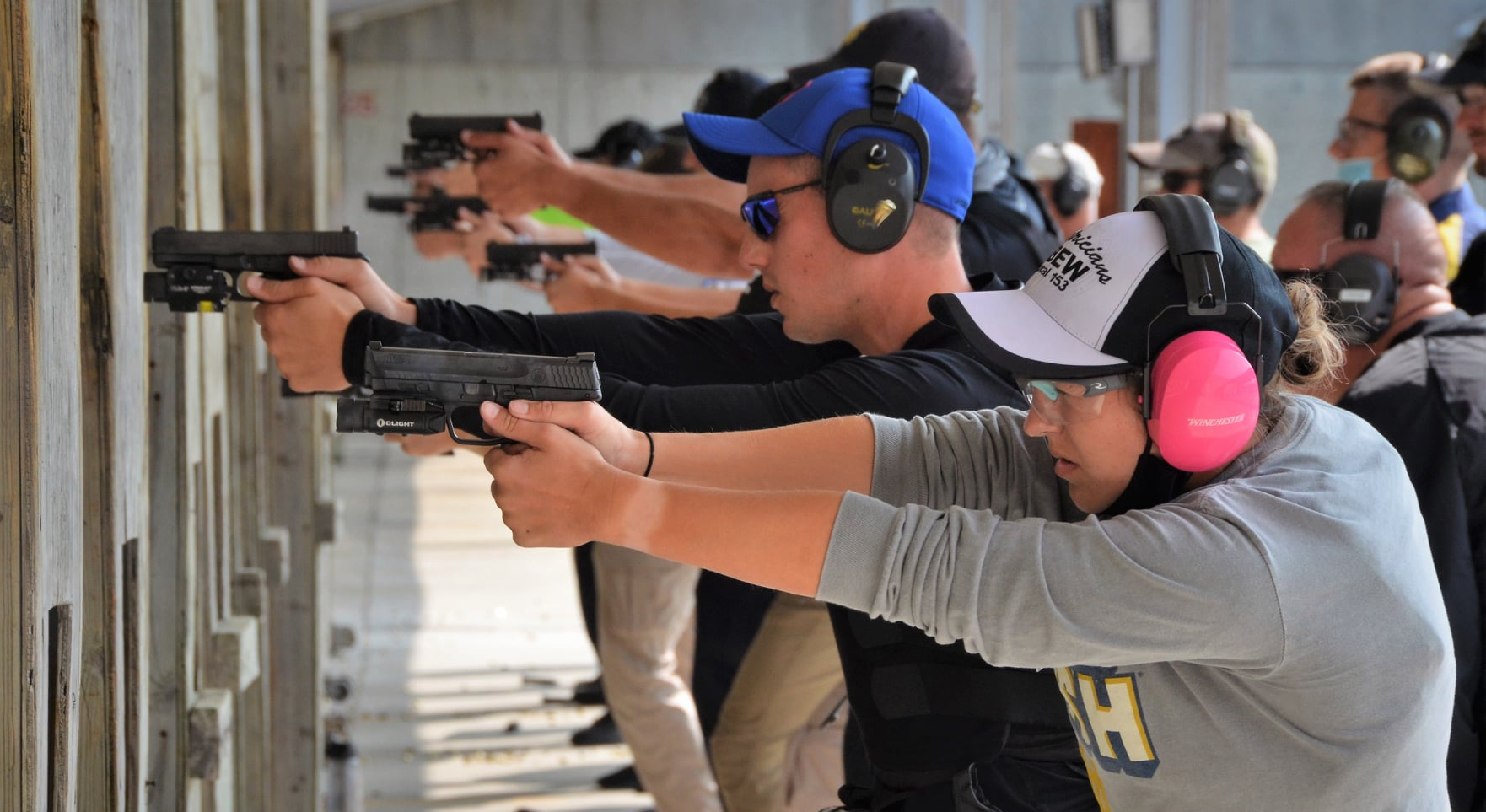
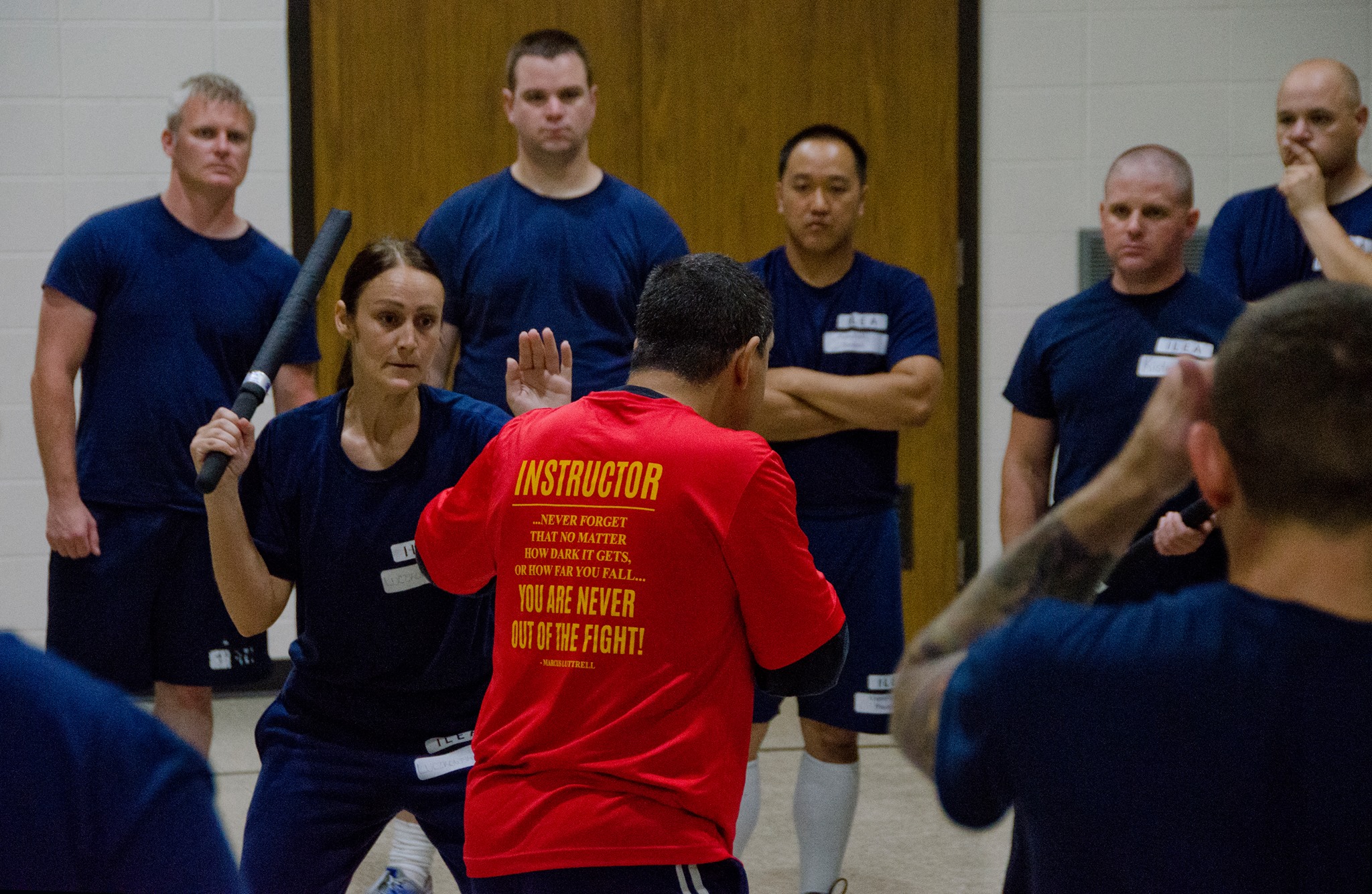
- Psychomotor skills necessary for the job including evasive maneuvers and pursuit driving, defensive tactics, vehicle tactics, firearms, and use of force decision-making
- Physical fitness standards to ensure officers can meet the physical requirements of the job

History of the Basic Training Course
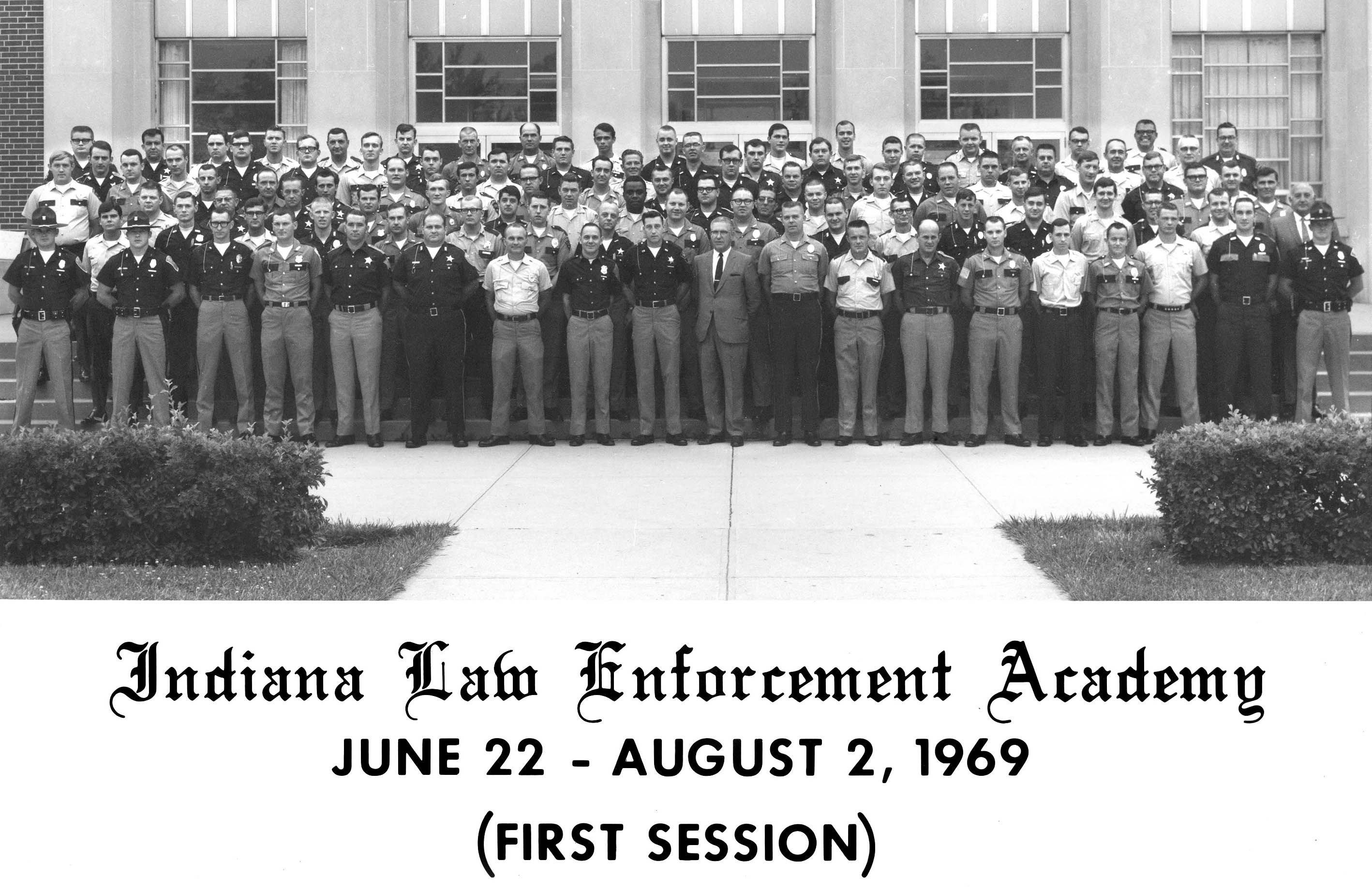
No basic training was available for most of the State's law enforcement officers until 1969.
A six-week basic training program began in August 1969, but attendance was voluntary and remained voluntary for nearly three years.
Basic training became mandatory July 6, 1972. All persons already sworn in and serving on a police department prior to that date were exempted ("grandfathered") from the training mandate as long as they maintained continuous/unbroken service with that department. If they left their department to go to another department, or left law enforcement and then returned, they lost their exemption.
All persons appointed as law enforcement officers on or after July 6, 1972 were/are mandated to complete basic training within one year of the date they are originally hired as a law enforcement officer. Failure to do so results in the loss of arrest powers. Extensions of the one-year time limit can be granted for military or other authorized leave of absence. In such cases an aggregate of time before and after the leave of absence shall be used to determine when law enforcement authority expires.
From July 6, 1972 until July 1, 1993 persons appointed as a law enforcement officer could work through their first year of employment with full law enforcement powers [but with absolutely no training] while waiting to be enrolled in - then successfully completing - basic training. Those who did not successfully complete basic training by their anniversary date of employment (the date they were originally hired) lost their arrest powers.
Legislators, prosecutors, judges, and the police themselves had a problem with people being given a gun and badge then being allowed to exercise police powers without any training whatsoever, albeit only for one year. So the law was amended to mandate that any person who was appointed as a police officer on or after July 1, 1993 had to complete a pre-basic course before being vested with police powers. This pre-basic course consists of a minimum of 40 hours of instruction and contains the fundamentals of criminal law, traffic law, and the use of force. It also requires a demonstration of proficiency with a handgun. Upon completion, the new hire is empowered to work the remainder of his or her first year of service with full police authority. But, if full law enforcement training is not complete by the anniversary date of the officer's initial hiring, arrest powers are lost and can only be regained by successfully completing basic training.
There are two law enforcement basic training programs that meet the mandatory basic training requirement. One is the Tier II Course, consisting of 400 hours of training at the Indiana Law Enforcement Academy and 40 hours of home study. Persons who successfully complete this training are only eligible for employment in the agencies identified in 250 IAC 2-4-1. If they subsequently change employment to a Tier I agency, they must complete the Tier I law enforcement basic training course.
The second training program, generally referred to as the basic training course or Tier I, is a minimum 600 hours in length. Basic courses are taught at six other sites around the state; however they are locale specific:
Indianapolis Metropolitan Police Department Academy
Fort Wayne Police Department Academy
Northwest Indiana Law Enforcement Academy
Southwest Indiana Law Enforcement Academy
Indiana University Police Academy
Indiana State Police
To view a video describing the ILEA's Tuition Student Program CLICK HERE.
