
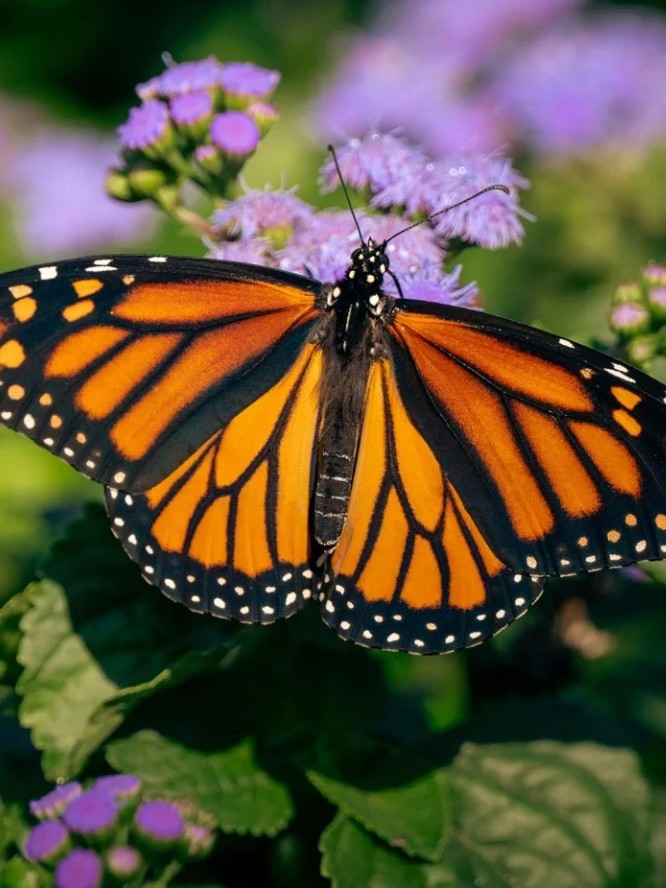
Saving the Monarch: A Local Mission
Last fall, the Environmental Sustainability Commission (ESC) was proud to host local Monarch expert Jim Starin for an inspiring community workshop. Jim shared his deep knowledge of the Monarch butterfly and highlighted the extraordinary, specialized relationship these insects have with native milkweed.
The message was clear: Without milkweed, there are no Monarchs.
Why the Monarch Matters
Monarchs are more than just beautiful visitors to our gardens; they are essential pollinators that contribute to our local food security. However, they face significant uphill battles:
- Low Survival Rates: In the wild, only 5–10% of Monarchs make it from egg to butterfly.
- Habitat Loss: Urban sprawl and climate change are reducing the spaces they call home.
- Chemical Risks: Pesticides and fertilizers in home gardens can be fatal to caterpillars and butterflies alike.
Milkweed: The Life-Sustaining "Weed"
While many see "milkweed" as just another plant to pull, it is actually the only plant where Monarchs lay their eggs and the only food source for their caterpillars. To sustain the population, experts estimate we need an additional 3.6 billion stems of milkweed planted across North America.
Choosing the Right Milkweed:
- Swamp Milkweed (Asclepias incarnata): A favorite for egg-laying, though it also attracts aphids (which is a natural part of the garden ecosystem!).
- Common Milkweed (Asclepias syriaca): Known for its big, fleshy leaves that are perfect for hungry, growing caterpillars.
How You Can Help
You don’t need a massive field to make a difference. You can turn your backyard into a sanctuary by:
- Planting Native Milkweed: Focus on local varieties like Common or Swamp Milkweed.
- Providing Continuous Blooms: Aim for at least 3 blooming nectar plants in each sub-season (Spring, Summer, and Fall) to keep adult butterflies fed.
- Going Chemical-Free: Keep pesticides out of your garden to ensure a safe environment for pollinators.
Download the Presentation Synopsis
ESC member Isabel Durkin has put together a helpful one-page summary of Jim Starin’s presentation, including quick facts and tips for your garden.
Click here to download the Monarch Presentation Synopsis (PDF)
Posted Feb. 11, 2026.
