Preparing for the Start of Motorcycle Season
Before taking your motorcycle out for the first ride of the year, it's important to review a yearly checklist to help you stay safe:
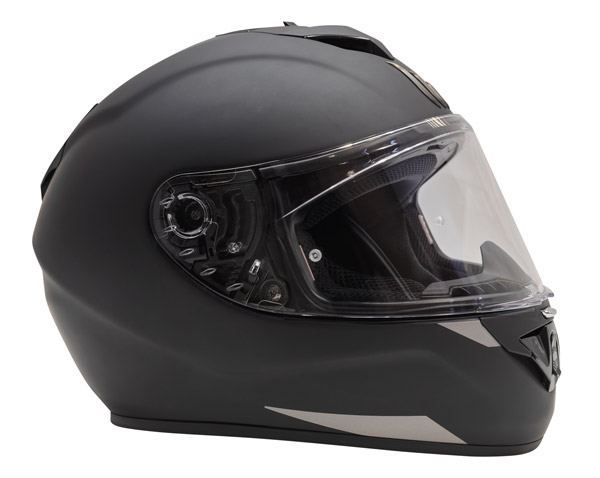
Inspect Your Helmet
✅Most manufacturers recommend replacing a helmet every 5 years from the date of manufacture. If it has been in any crash (even a minor one), it should be replaced as impact energy can damage the inner liner in ways you can't see.
✅Inspect the outer shell for anything that compromises structural integrity—cracks, chips, soft spots, or deep scratches that expose the underlying layers.
✅Examine the liner for mold or thinning material. Check that the padding springs back and for any deteriorating foam.
✅Inspect the visor for scratches or cloudiness, ensuring good visibility. Make sure it seals properly when closed, testing the hinge mechanism for smooth movement.
✅Test the chin strap and fasteners for a snug and secure fit.
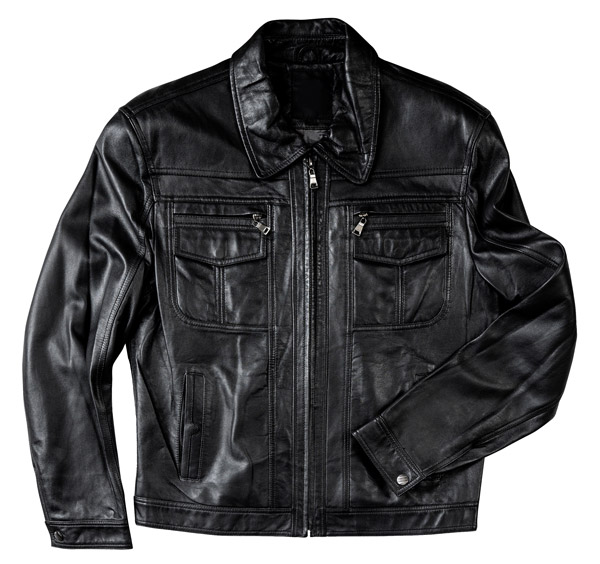
Check Your Protective Gear
✅Inspect the outer material. On leather, look for deep cracks, stiffness, or areas that feel brittle. On other textiles, check for frays, worn patches, or fabric thinness. With mesh, make sure it isn't tearing or stretching.
✅Check the stitching and seams for loose threads or where stitching has popped.
✅Evaluate armor and impact protection. Make sure it hasn't cracked, warped, or become compressed. Ensure the pockets holding the armor in place are intact.
✅Test zippers, snaps, and closures. If your jacket won't stay closed in normal use, it won't stay closed in a slide.
✅Interior liners should be clean and not overly stretched out. Persistent odors can indicated bacteria buildup or deteriorating foam.

Get Reacquainted with T-CLOCS
Although you may have only stored your motorcycle for a few weeks or months, it’s important to conduct a T-CLOCS inspection prior to hitting the road.
✅T - Tires and Wheels- Check tire inflation pressure, tread wear, and general tire condition
- Inspect the front and rear brake levers
✅ C - Controls
- Ensure both the clutch and the throttle operate smoothly
- Test the horn
✅ L - Lights and Electrics
- Check both headlight and taillight
- Test left and right turn signals
- Try both brakes and check to see if brake lights turn on
- Clean and adjust mirrors as necessary
✅ O - Oil and Other Fluids
- Check engine oil and transmission fluid levels
- Check brake and coolant levels
- Check fuel level
✅ C – Chassis
- Inspect front suspension and rear shocks
- Ensure chain and belt are adjusted according to the manufacturer’s specifications
✅ S – Stands
- Side stand should operate smoothly and hold tightly in the upright position
Summer Riding: Heat, Hydration, and Long Rides
Nothing beats a fun summer ride when the sun is shining and the skies are clear. But with summer months also bring summer heat—direct sun and radiant heat from the road and engine heat rising around your legs—which can be a riding a riding hazard if this leads to dehydration and fatigue. Follow these core principles for safe summer riding.
Hydration Starts Before the Ride
Most riders wait until they feel thirsty, but by then you’re already behind.
- Drink water steadily in the hours before riding
- Avoid starting the day dehydrated (coffee alone won’t cut it)
- Add electrolytes for long rides or high heat days
Hydrate During the Ride — Not Just at Stops
Airflow at highway speeds pulls moisture from your skin faster than you realize.
- Sip water every 20–30 minutes
- Use a hydration pack for handsfree drinking
- Add electrolyte tablets for rides over 2 hours
- Eat light, salty snacks to help retain fluids
This keeps your brain sharp and your muscles responsive.
Dress for Heat the Right Way
Counterintuitive but true: more gear can keep you cooler.
- Wear ventilated jackets and pants
- Choose light colors to reflect heat
- Use moisture-wicking base layers
- Avoid riding in just a t-shirt — it dehydrates you faster
- Mesh gear + airflow = controlled cooling.
Manage Sun Exposure
Sunburn is more than uncomfortable — it increases fatigue and dehydration.
- Apply sunscreen to neck, wrists, and face
- Use a tinted visor or sunglasses
- Wear a neck gaiter to protect exposed skin
- Every time you refill your tank, rehydrate yourself
Also, heat peaks between noon-5pm. Adjust your schedule by starting earlier in the morning, take long breaks in shaded or air conditioned areas, and avoid pushing through fatigue just to "make time". Your body will thank you.
Recognize Heat Stress Before It Becomes Dangerous
Early signs:
- Headache
- Dizziness
- Sluggish thinking
- Excessive sweating
Late signs (danger zone):
- Hot, dry skin
- Confusion
- Nausea
- Rapid heartbeat
If you hit late-stage symptoms, you need immediate cooling and rest.
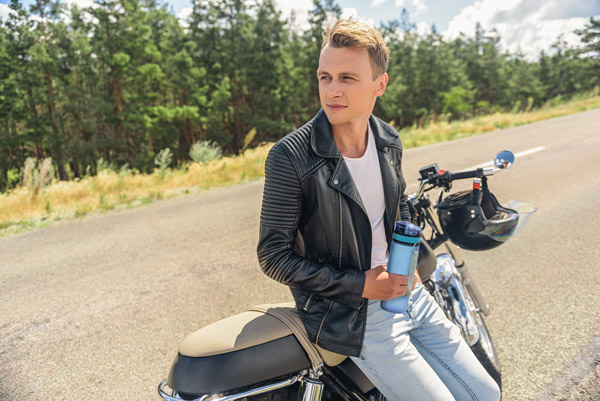
Safety Tips for the Fall Motorcycle Season
Fall is one of the most beautiful times to ride, but it also brings a unique mix of hazards—cooler temperatures, unpredictable weather, and changing road conditions. With a little preparation and awareness, you can enjoy the season while staying safe on every trip.
Shorter Daylight Hours
As daylight hours shrink, both morning and evening commutes get darker. Reduced visibility makes it harder for drivers to see motorcyclists.
How to stay visible:
- Wear high‑visibility or reflective gear.
- Position yourself outside of other drivers’ blind spots.
- Use your lights proactively to stand out in traffic.
Frost on the Road
Cooler nights often leave a thin layer of frost on the pavement—especially early in the morning. Even a small patch can reduce traction dramatically.
If you encounter frost:
- Slow down and avoid sudden steering or braking.
- Apply brakes smoothly and gradually.
- Keep extra distance between you and other vehicles in case your tires slip.

Foggy Mornings
Fog is common in fall and can severely limit your ability to see and be seen.
If you must ride in fog:
- Use low‑beam headlights (high beams reflect off fog and reduce visibility).
- Reduce your speed and ride with heightened caution.
- Wear high‑visibility gear and maintain a safe following distance.
Harvest Season Hazards
Rural roads become busier with slow‑moving farm equipment and debris during harvest time.
Stay alert by:
- Being patient when following or passing farm machinery.
- Watching for mud, crop remnants, or other debris on the roadway.
- Keeping a generous buffer between you and the vehicle ahead to avoid surprises.

Dress for the Cold
As temperatures drop, proper gear becomes essential—not just for comfort but for safety. Cold weather can reduce your reaction time and distract you from the road.
Gear to prioritize:
- A well‑fitted helmet
- Insulated gloves
- A protective jacket
- Long pants and sturdy boots
- Layers or gear specifically designed for cold‑weather riding
Staying warm helps you stay focused and maintain full control of your motorcycle.
When the Roads Get Unpredictable: A Motorcyclist’s Guide to Staying Safe
Riding a motorcycle in Indiana can be exhilarating—but the state’s rapidly changing weather and road conditions mean riders must stay alert and adaptable. Just like life, the road can shift in an instant. Understanding how to respond to unpredictable situations can make every ride safer and more enjoyable.
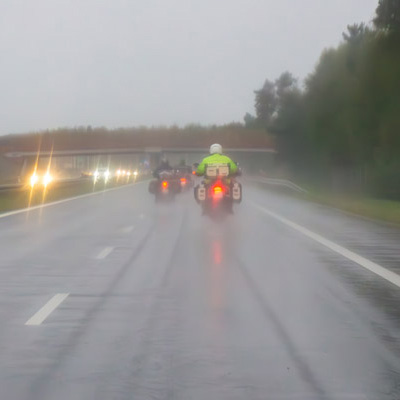 Rain: More Dangerous Than It Looks
The first few minutes of rainfall are the most hazardous. Water mixes with oil residue on the pavement, creating a slick surface that reduces traction.
If rain begins while you’re riding:
- Pull over and wait it out when possible.
- Avoid sudden braking or sharp turns.
- Be cautious of puddles that may hide potholes or slick spots.
Thunder and Lightning
If you see lightning or hear thunder, stop riding immediately. A motorcycle’s tires do not ground you—making you essentially a moving lightning rod.
Wind Gusts
Strong crosswinds can push your bike off balance.
To stay in control:
- Lean slightly into the wind to counteract the force.
- Position yourself on the side of the lane the wind is coming from—this gives you room if a gust pushes you sideways.
- Maintain a steady speed and grip.
Animals on the Road
Animals—especially dogs—can behave unpredictably around motorcycles. Some may chase or dart in front of you.
If a dog approaches:
- Slow down to assess the situation.
- Use your horn to deter it.
- Speed up at the right moment to disrupt its timing.
- Watch for multiple animals.
- Never kick at a dog or swerve sharply—both can cause a crash.