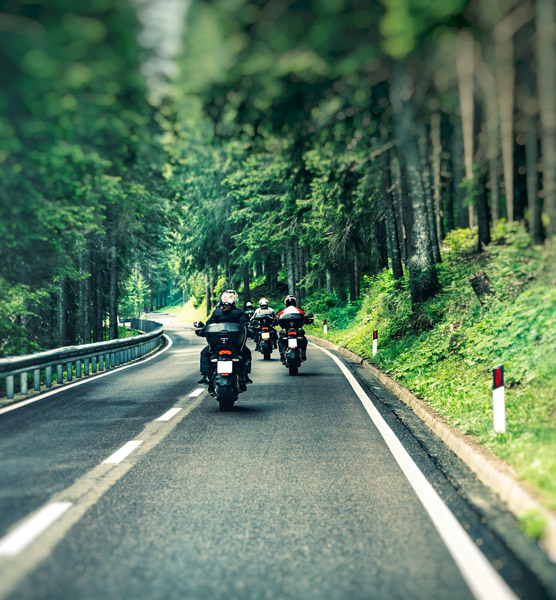
Standard Bike Options at a Glance
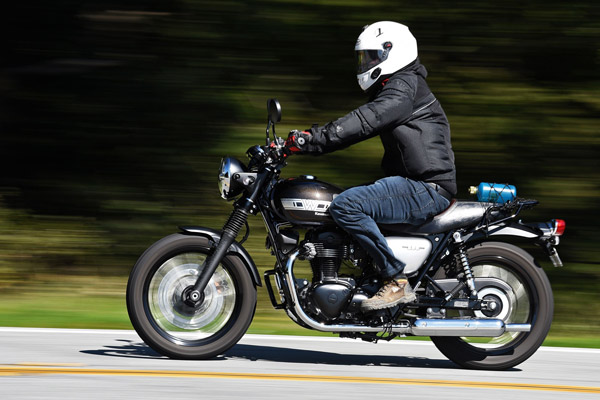
Standard
This type of motorcycle is stripped down to the fundamentals. It emphasizes function, performance, and ergonomics. A good motorcycle for beginners and is less prone to damage.
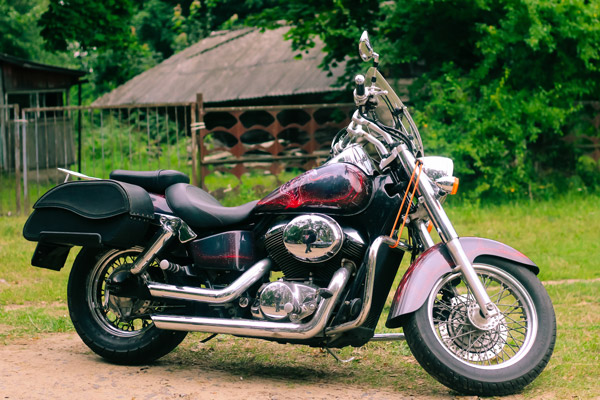
Cruisers
Motorcycle with a low-slung design with the rider’s feet forward, hands up, and the spine erect or leaning back slightly. This motorcycle is more comfortable for long-distance riding.
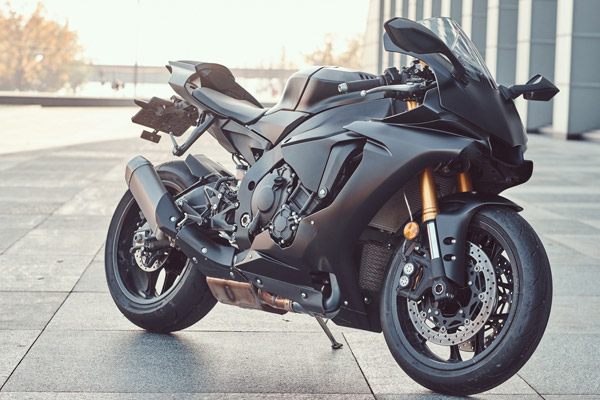
Sport
These motorcycles are smaller and lighter, designed to emphasize performance and handling. The rider’s feet are back, hands are low, and the torso is leaning forward. This motorcycle is capable of high speeds, is stable during corners, and requires a higher level of skill.
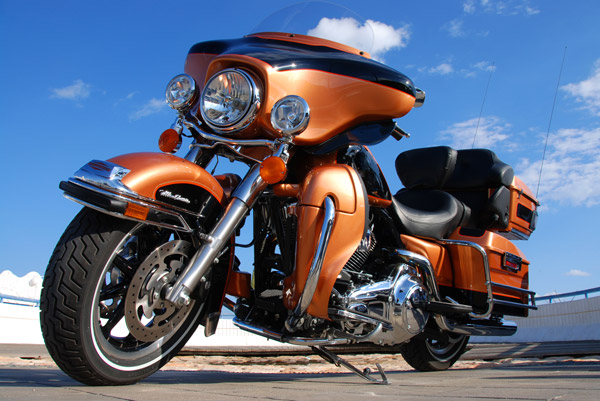
Touring
This motorcycle type is best for long-distance touring and commuting. It has a large windshield to protect against wind and weather. In addition, it has large-capacity fuel tanks, is more relaxed, and has an upright seating position.
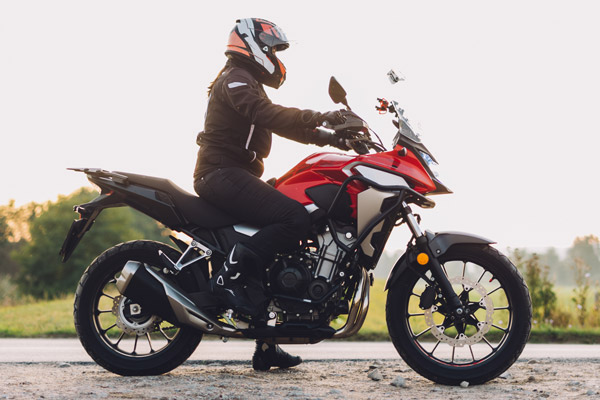
Dual-Purpose
Motorcycle that is lightweight and has a smaller engine. It has high clearance and a rugged body construction. Its large wheels with semi-knobby tires work for occasional off-road use.

Trike/Three-Wheel
A trike is a three-wheeled motorcycle, offering enhanced stability over traditional two-wheel bikes. Trikes eliminated the need for balancing and counter-steering, making them feel more like driving an ATV or car. Their ergonomic design is perfect for long-distance trips and storage.
Tips for Buying a Used Motorcycle
Shopping for a motorcycle—especially your first one—can be exciting. The idea of cruising with the wind in your face is enough to make anyone eager to hit the road. But before you buy, especially if you’re considering a used bike, it’s important to make sure your new ride is safe, reliable, and worth the investment.
A little inspection goes a long way. Here’s what every rider should look for when evaluating a used motorcycle.
Bring Backup: A Second Set of Eyes Helps
If you’re new to riding or not confident in your mechanical knowledge, take an experienced rider with you. Even better, have a trusted mechanic inspect the bike. A professional can spot issues you might miss—and help you avoid costly or dangerous surprises later.
What to Check Before You Buy

Oil Leaks
Oil leaks can signal deeper engine problems. If you see wet spots, drips, or oily residue, ask questions. Repairs can be expensive, and leaks often indicate poor maintenance.

Tire Wear
Uneven or unusual tire wear—especially on a bike with low mileage—may point to alignment issues or even odometer tampering. Keep in mind that replacing both tires typically costs around $300, so factor that into your budget.

Dents, Scratches, and Bent Parts
Cosmetic damage can reveal a bike’s history. Look closely for dents or deep scratches, bent lights, and damaged foot pegs—these may indicate the motorcycle has been dropped or involved in an accident.

Filters and Fluids
Clean filters and fresh fluids are signs of a well‑maintained bike. Dirty oil, old coolant, or neglected air filters suggest the previous owner didn’t keep up with routine care.

Drive Chain Condition
A dry, rusty, or overly loose chain is a red flag. Replacing a worn chain costs about $50 (not including labor), and a neglected chain may point to broader maintenance issues.

Lights, Brakes, and Transmission
Make sure all lights work properly, both brakes engage smoothly and firmly, and the transmission shifts cleanly without grinding or hesitation. If any of these systems feel off, walk away or negotiate repairs before purchase.
Always Take a Test Ride
A test ride is the best way to understand how the motorcycle truly performs. Listen for unusual noises, feel for vibrations, and pay attention to how the bike handles. Trust your instincts—if something feels wrong, it probably is.
Remember: Your Safety Comes First
Choosing the right motorcycle isn’t just about style or price—it’s about safety. A poorly maintained bike can put you at risk before you even leave the driveway. Take your time, inspect thoroughly, and don’t hesitate to ask questions. A safe ride starts long before you turn the key.
How to Make Group Rides Safe, Smooth, and Fun
Group rides are one of the best parts of motorcycling. Whether you’re cruising on a sunny Sunday or participating in a charity event, riding with friends builds community, confidence, and unforgettable memories. But group rides also require coordination and awareness to keep everyone safe.
Read below how to make sure your next group ride is enjoyable—and accident‑free.