What to Expect from an Entry Level Training Course
An entry-level motorcycle course is designed to help new riders build skills and confidence in a safe, supportive setting. With hands-on practice and guidance from trained instructors, you’ll learn the basics you need to start your riding journey safely and successfully.
Day 1: Kicking It Off in the Classroom
Before touching the throttle, every new rider completes an online or classroom safety course that covers motorcycle types, basic mechanics, and essential safety practices. You will have time after the lessons to ask questions, dive deeper into key topics, and make sure you're confident before moving forward.
Once the class is ready, it’s time to meet your partner for the next three days: the motorcycle. You’ll start with simple, structured exercises designed to help you get comfortable and build control. The day can feel long, but stay focused—the more attention you give now, the smoother the rest of your training will be.
Day 2: All About the Bike
Day two moves from the classroom to the closed road course, and this is where the real riding begins. You'll learn the essential techniques necessary for real traffic situations, giving you the foundation you need to ride safely and with confidence.
Throughout the day, you’ll work through a series of progressive riding exercises—each one designed to build confidence, control, and familiarity with the motorcycle. You’ll quickly discover which maneuvers feel natural and which ones push you a bit outside your comfort zone. Your instructors are incredibly patient and will demonstrate every skill, break down each step clearly, and guide you through the tougher moments.
Day 3 (Part 1): Practice Your Skills
The morning of day three is all about reinforcing what you’ve learned. You’ll revisit the previous day’s riding exercises and work through simulated road scenarios, such as judging curves, changing lanes, and navigating obstacles. This session sharpens your control, boosts your confidence, and gets you mentally ready for the tests in the afternoon.
Day 3 (Part 2): Taking Your Tests
The afternoon of day three is dedicated to taking a written test and a skills test.
The written exam is similar to the one you took for your driver’s license. It checks your understanding of motorcycle mechanics, safety principles, and how to respond to different traffic situations. Reviewing your notes and staying engaged during class makes a big difference here.
The skills exam is your chance to show you can confidently control the motorcycle. The maneuvers themselves aren’t overly difficult, but performing them correctly on the first try can be challenging. If you take the lessons from previous days seriously—practicing carefully and asking questions—you'll be set up for success.
Insurance, Registration, and Endorsement Requirements
Before taking your motorcycle on the road, make sure you have the proper insurance, registration, training, and licensure.
Insurance
Indiana law requires all motorcyclists to carry liability insurance. You may want to talk with your insurance agent about additional coverage options, such as:
➡️ Comprehensive
➡️ Collision
➡️ Medical payments
➡️ Uninsured/underinsured motorist coverage
Insurance rates vary based on factors like your location, age, driving history, and the size and type of motorcycle you ride.

Registration
Before riding, you must register your motorcycle and obtain license plates. To register your motorcycle, visit your local BMV branch with:
➡️Your title, - OR -
➡️A certificate of ownership from your financial institution

Motorcycle Endorsement
Hoosier motorcyclists must have a motorcycle endorsement to legally operate a motorcycle. If you already hold a valid Indiana driver’s license, you can get your endorsement by completing one of the following:
➡️Successfully complete an Entry Level Motorcycle Safety Course with an authorized RSI provider, - OR -
➡️Pass a knowledge exam at a BMV branch and a motorcycle skills exam at an authorized RSI training location
Protective Riding Gear
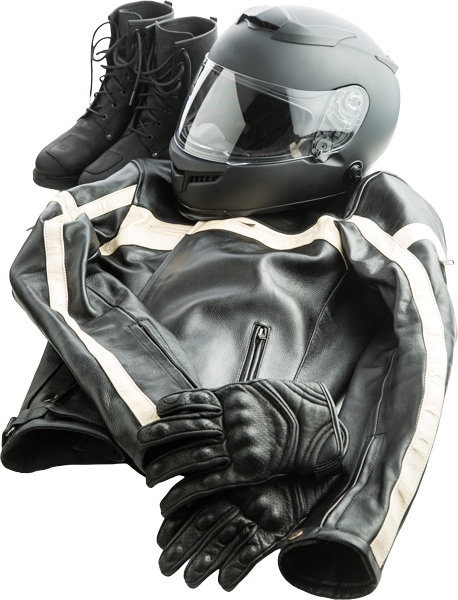
If you're just getting into motorcycling there's a ton of things to consider. One of the most important decisions you will make is the protective clothing you wear, which can quite literally save your skin or your life.
Helmet
A helmet is the best way to protect yourself against head trauma if you’re involved in a serious motorcycle collision. Always choose a helmet with the DOT symbol on the outside of the helmet, ensuring the helmet is U.S. Department of Transportation (DOT) compliant and meets all federal regulations.
Eye Protection
Helmets with face shields are the best for protecting your eyes from wind, rain, insects, and stones thrown up from cars. If you wear a helmet without a face shield, be sure to also wear protective goggles.
Footwear
Sturdy, over-the-ankle footwear will offer abrasion resistance, and non-slip soles are important for gripping the ground when you touch down.
Gloves
Opt for full-fingered gloves made of leather or reinforced textiles with a snug but not tight fit.
Clothing
Wearing long pants and sleeves will protect your skin from abrasions. Motorcycle pants and jackets are specifically designed to withstand the road surface (unlike regular jeans that have just 0.6 seconds of abrasion resistance before tearing apart).
Alcohol: Slower Reactions
Even small amounts of alcohol can impair the skills you rely on most when riding. Every second counts, so these impairments can be deadly
- Slower reaction time makes it harder to respond to sudden hazards.
- Reduced coordinationaffects balance, braking, and steering.
- Impaired judgment leads to risky decisions, like speeding or misjudging corners.
- Tunnel vision limits your ability to scan for dangers.
Drugs: Poor Coordination
Illegal substances and certain prescriptions or over‑the‑counter medications can impair your riding ability. Always read labels, talk to your doctor or pharmacist, and avoid riding if a drug could impair your performance.
- Drowsiness or dizziness
- Slowed reflexes
- Blurred vision
- Poor coordination
- Overconfidence or distorted perception
Fatigue: The Silent Impairment
Fatigue is often overlooked, but its effects can be just as dangerous as alcohol. If you feel tired, a short rest can make all the difference in finishing your ride safely. When you’re tired, you may experience:
- Slower reaction times
- Difficulty focusing
- Poor decision‑making
- Microsleeps—brief, uncontrollable moments of sleep that can occur in seconds