Language Translation
  Close Menu

MS4

Key Take Aways

Does This Apply To My Small Project?

If you are doing a small project in your yard, you are likely exempt from the most expensive engineering requirements.
  • The 10,000 Sq. Ft. Rule: Most rules only kick in if you are "disturbing" (digging up or clearing) 10,000 square feet or more of land.
  • Residential Exemptions: Single-family homes and duplexes in accepted subdivisions are generally exempt from the complex "stormwater quantity" (detention ponds) and "stormwater quality" engineering requirements.
  • Agricultural Exemption: Standard farming activities like planting, harvesting, and maintaining field tiles are completely exempt.
  • Individual Lot Plot Plans: If you are building a new home, even if it is small, you will likely need an Individual Lot Plot Plan Permit. This ensures your house is built high enough (usually 15 inches above the road) so that water drains away from your foundation and doesn't flood your neighbor.

Yard and Home Rules: The "25-Foot Rule"

There are specific rules for how water leaves your property to prevent it from causing issues for others.
  • Sump Pumps and Footing Drains: You are strictly prohibited from connecting these to your perimeter septic tiles or farm tiles designed for groundwater. If you don't have a specific county drain "stub" to hook into, you must "daylight" the water onto your lawn at least 25 feet away from your property line.
  • Roof Downspouts: These must discharge onto a grass surface and stay at least 25 feet away from the street right-of-way.
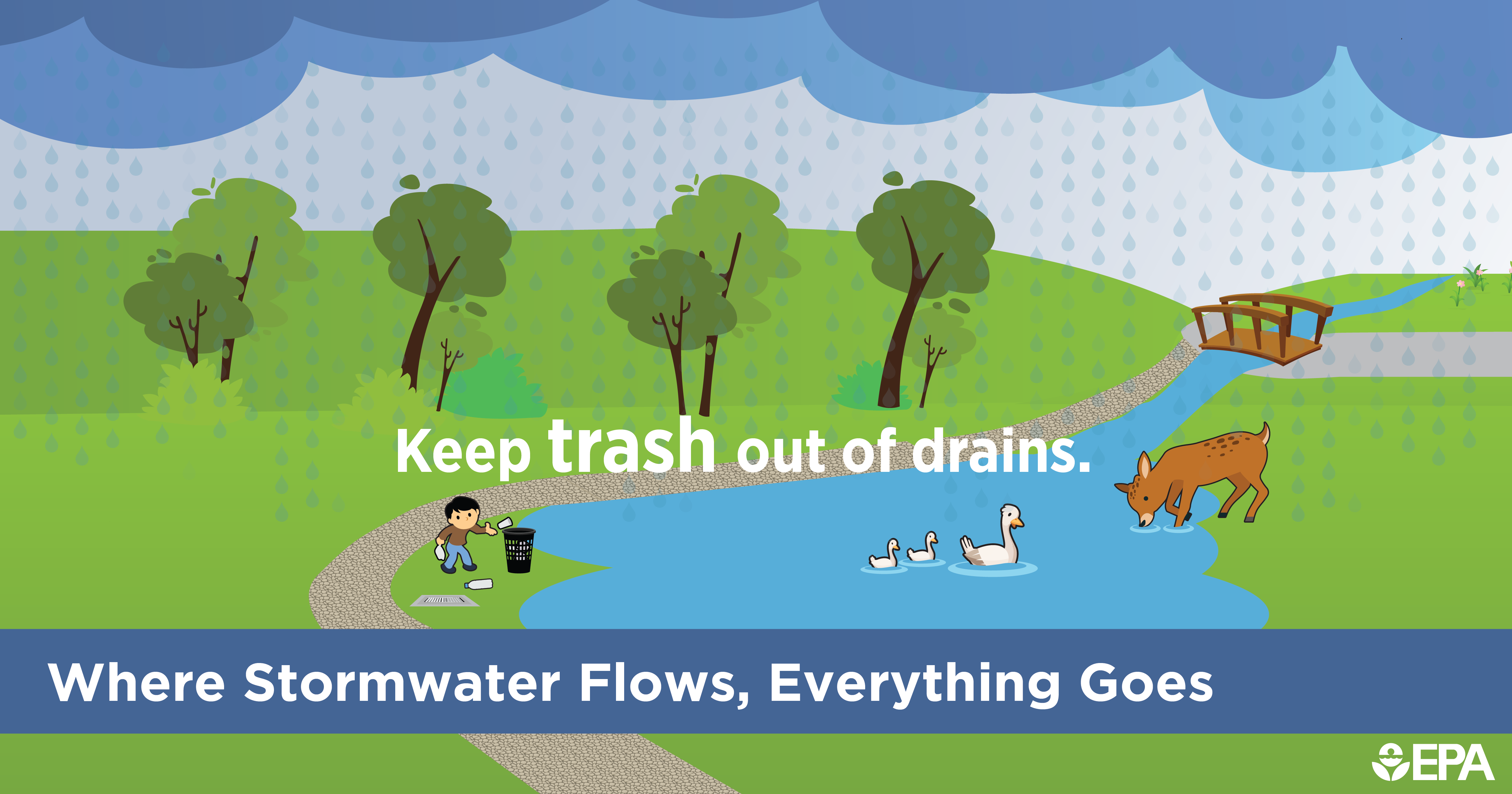
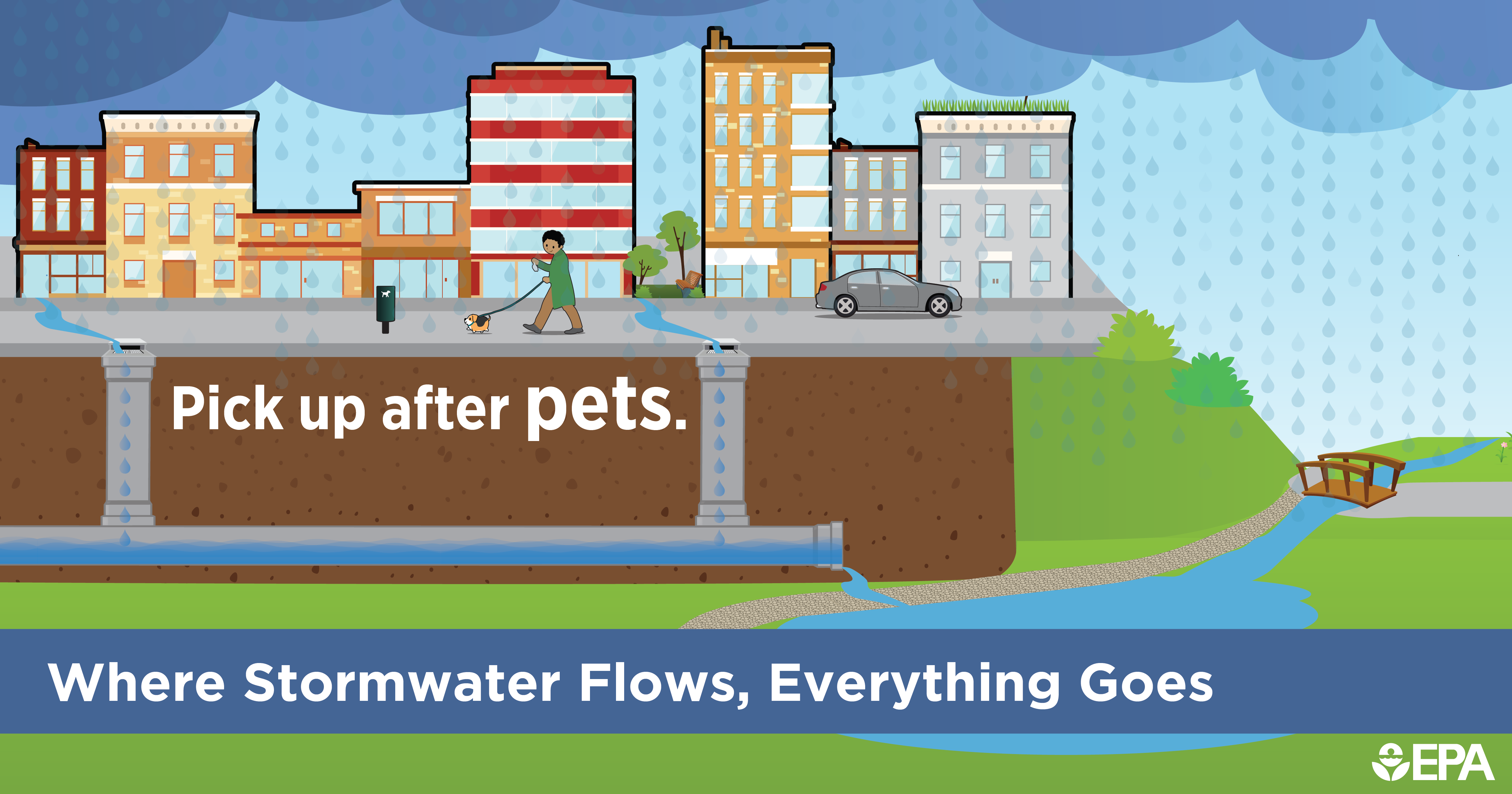
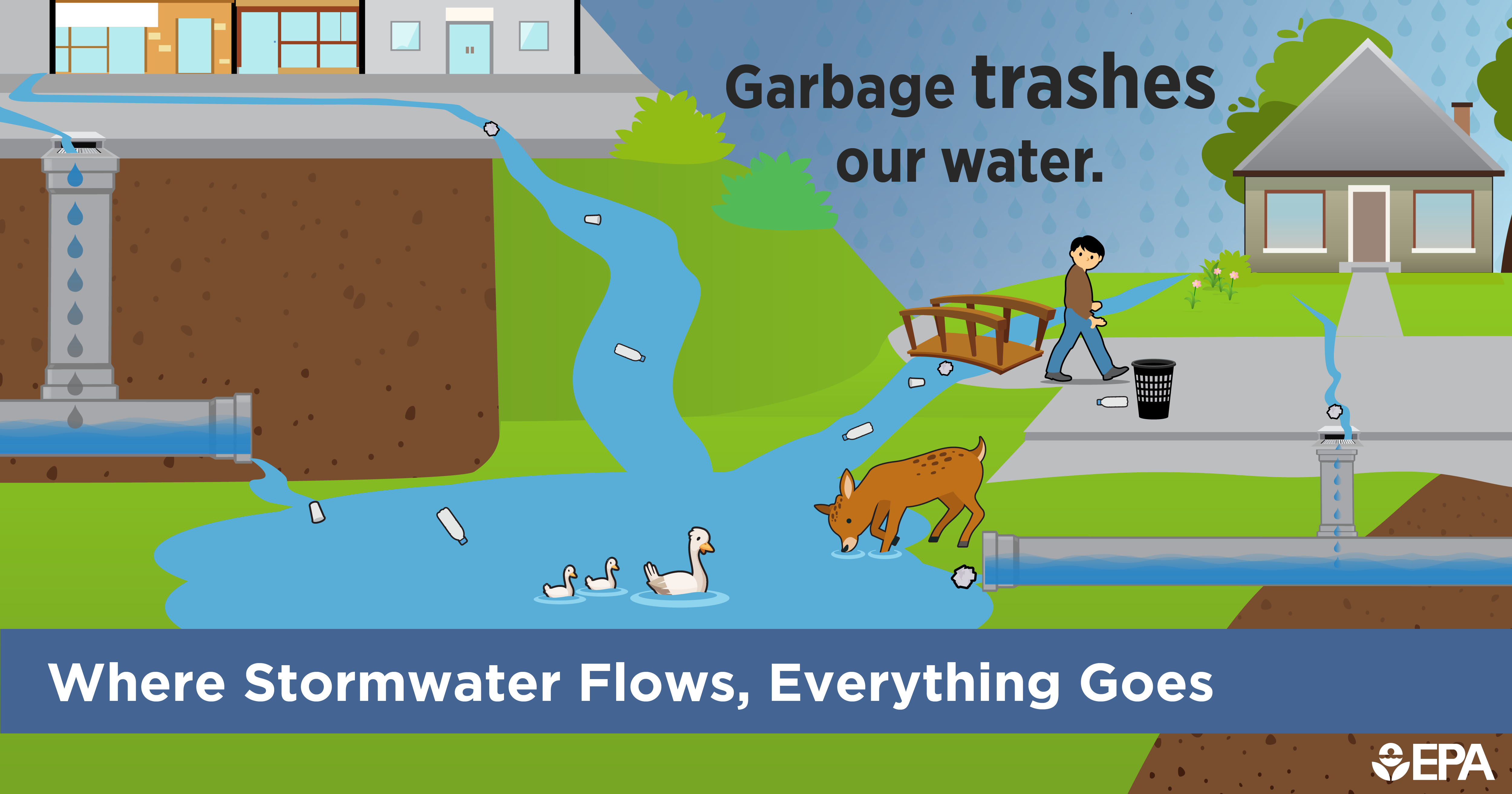
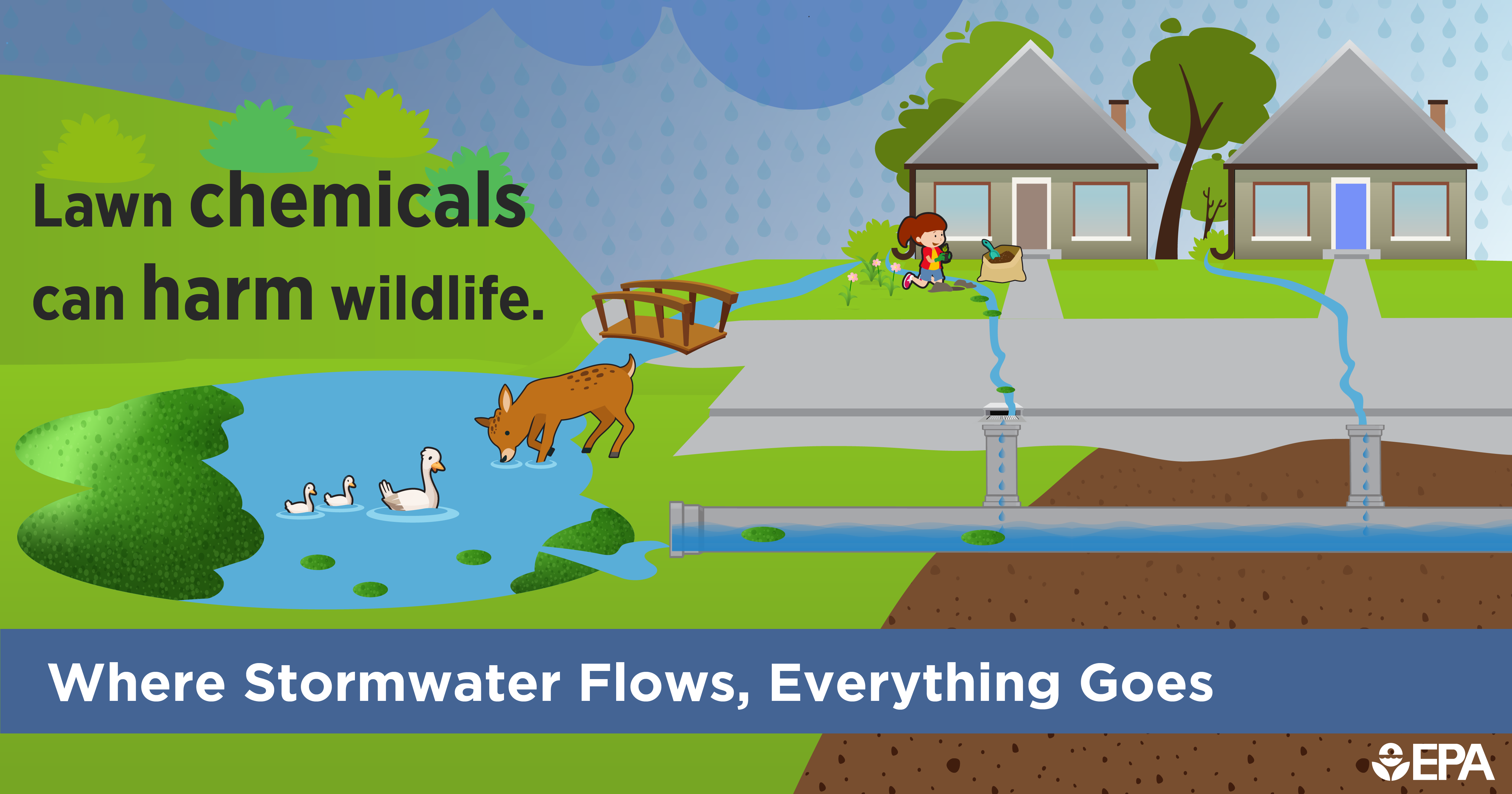
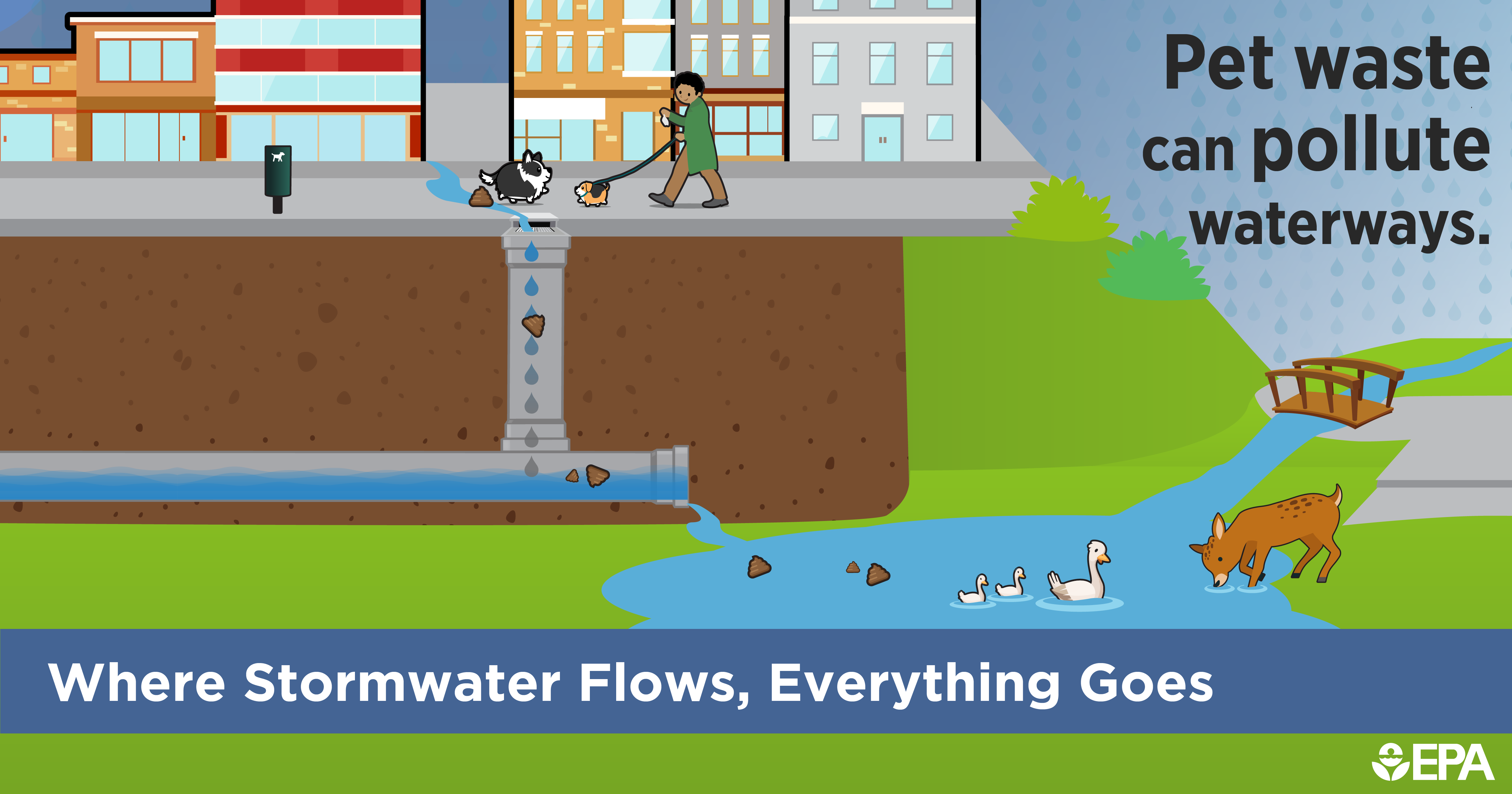
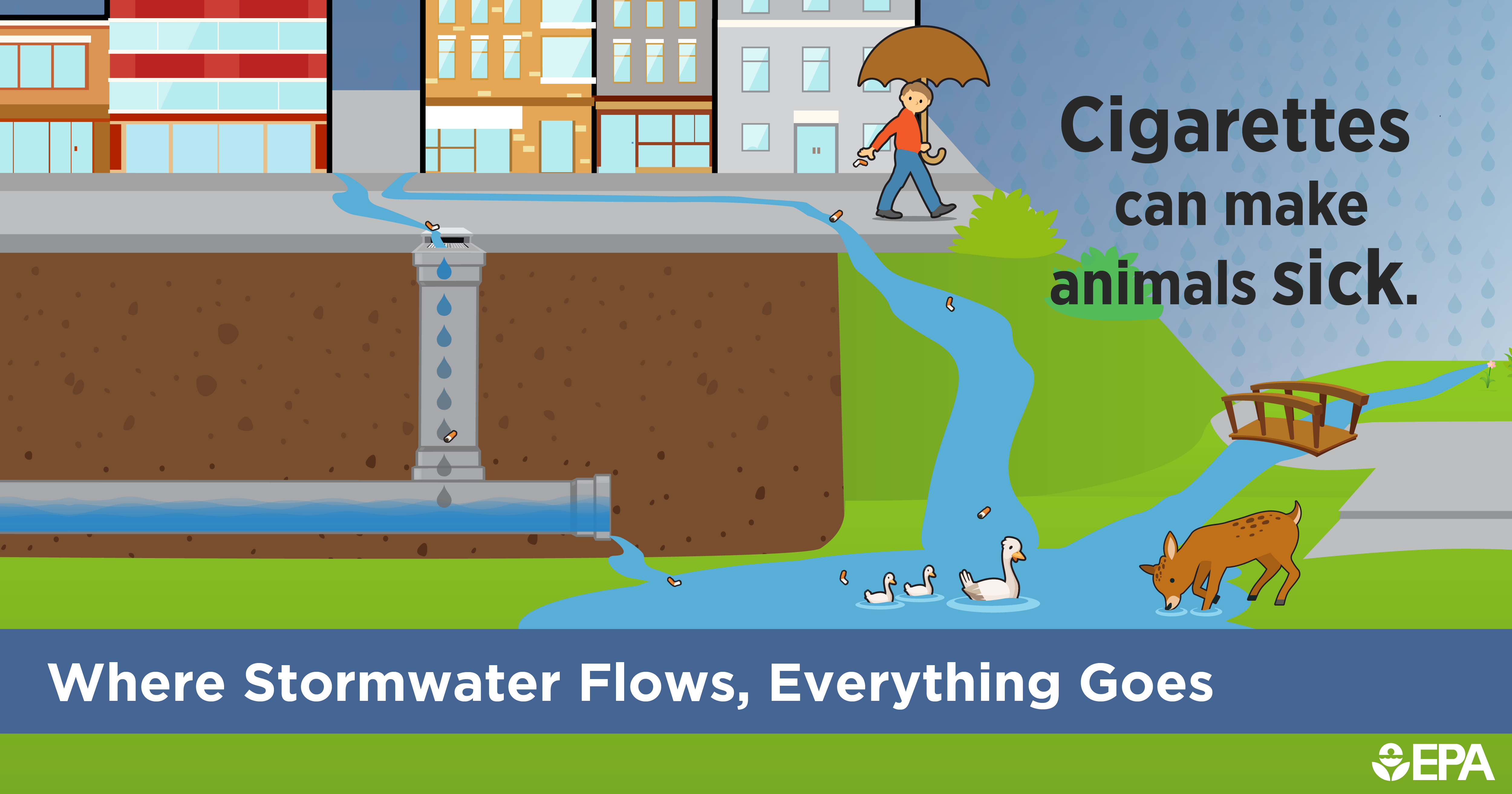
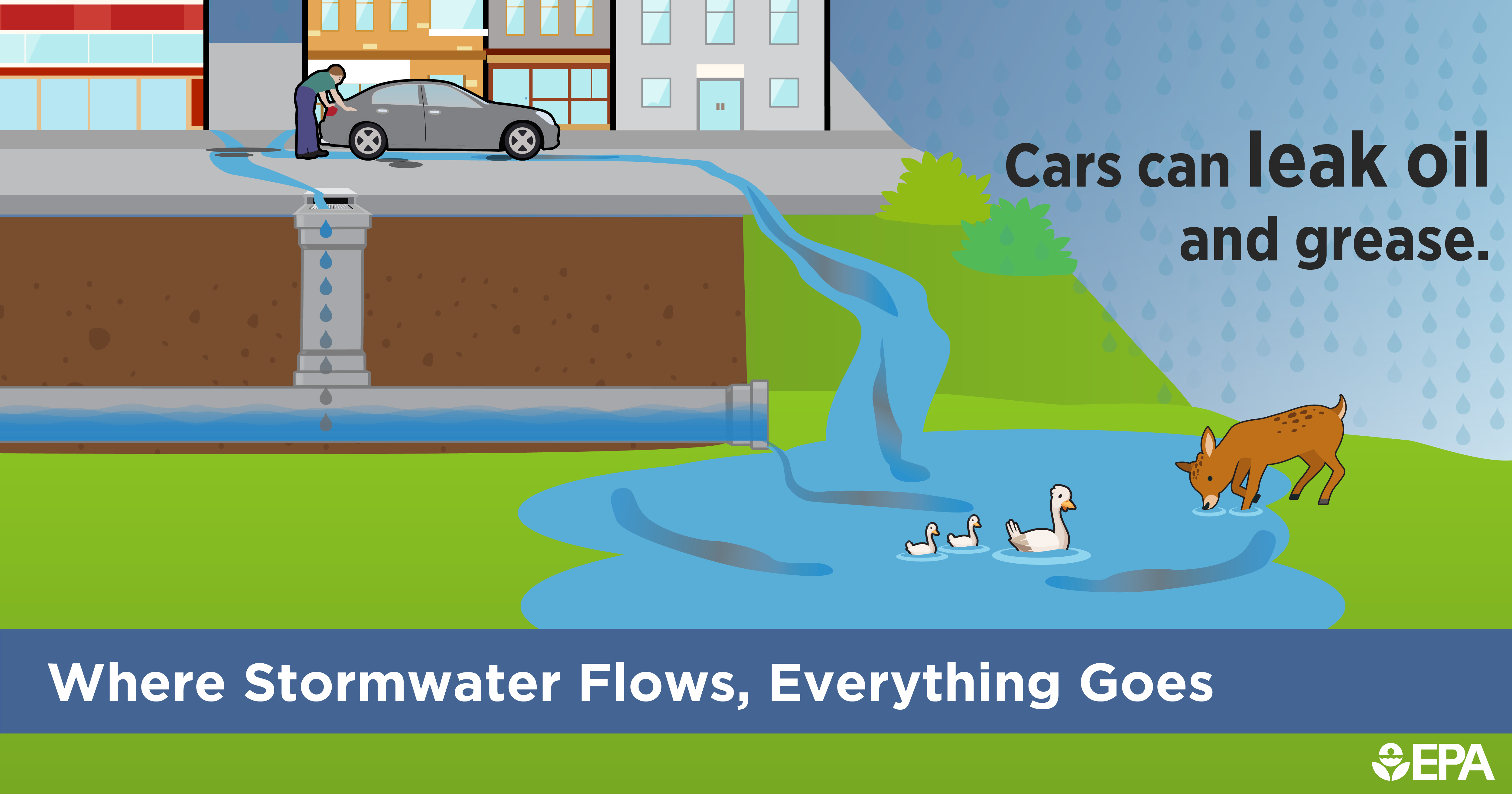
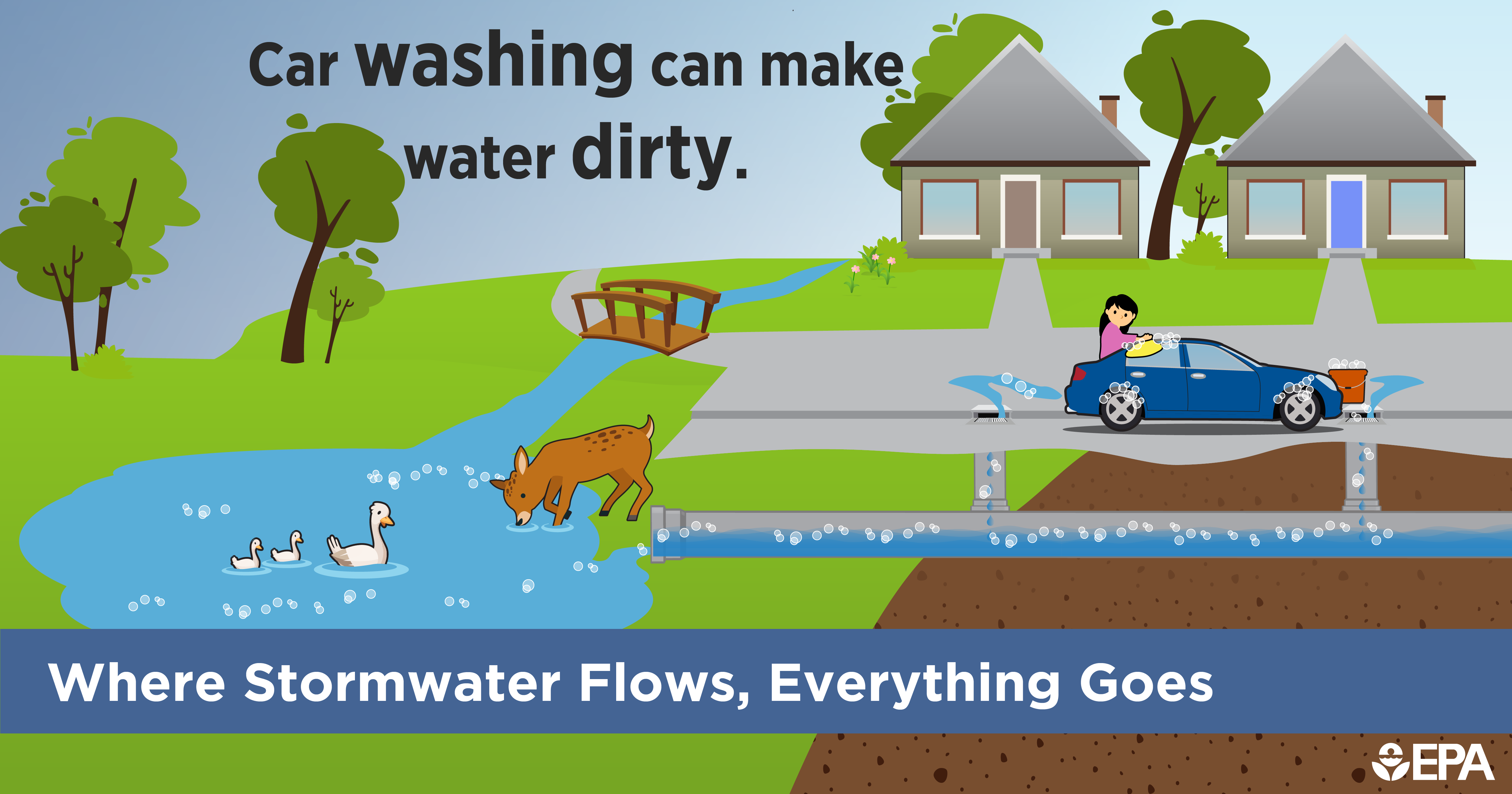
  • Only Rain Down the Drain: Nothing except pure stormwater should be dumped into a ditch or storm sewer. However, you are allowed to wash your car in your driveway or drain your swimming pool (as long as the water is dechlorinated).

Your Responsibilities as a Property Owner

If you have a creek, ditch, or drainage easement on your land, the law requires you to keep it functioning.
  • Keep It Clear: You must keep any watercourse on your property free of trash, debris, and obstacles that would block the flow of water.
  • Easement Restrictions: If you have a recorded drainage easement on your land, you cannot plant trees, shrubs, or build fences in that area without written permission from the county.
  • Safety First: If you have a private pond or drainage structure, you are responsible for its maintenance and safety. Shelby County is not liable for accidents or damages on private property resulting from these systems.

Agricultural Exemptions

The ordinance provides broad exemptions for traditional farming operations to ensure that standard agricultural practices are not hindered by stormwater permits. The following activities are exempt from the requirements of the ordinance, including quantity management (detention) and construction-site pollution prevention:
  • Standard Farming Operations: This includes tillage, planting, cultivation, or harvesting for the production of agricultural, nursery, or vegetative crops.
  • Pasture Management: The renovation and establishment of pastures.
  • Conservation Practices: The construction of specifically agricultural conservation practices.
  • Field Tile: The installation and maintenance of agricultural subsurface field tile.
  • General Runoff: Stormwater runoff from agricultural activities is generally exempt from prohibited discharge rules.

The full ordinance and technical standards can be found here: Ordinance | Technical Standards