
Section
Breadcrumbs
Best Practices
The following guidelines were developed to help schools or parents implement effective procedures.
- Armed Assailant Drills
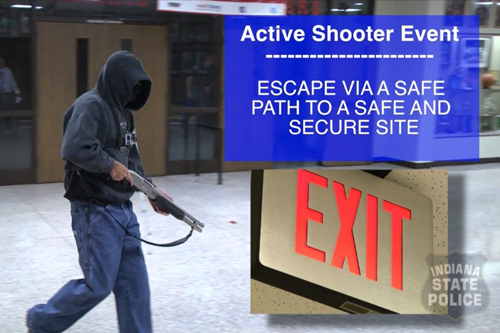
The National Association of School Psychologists (NASP), the National Association of School Resource Officers (NASRO) and Safe and Sound Schools provided guidance on armed assailant training for schools. It updates guidance released in 2014 and reflects unique considerations for schools.
Best practice considerations for armed assailant drills in schools
- Bullying Prevention

Bullying fosters a climate of fear and disrespect that can seriously impair the physical and psychological health of its victims and create conditions that negatively affect learning. The state has developed and shared best practices for schools to prevent bullying.
- Crisis Response Action Plan and School Safety Guidelines for Emergency Response Systems

Educational institutions need to be prepared to respond effectively to a variety of crises. Whether natural disasters, acts of violence, health emergencies or any other critical incidents, having a comprehensive and actionable crisis response plan is essential.
The Indiana Department of Education developed a Crisis Response Action Plan as a resource for administrators, teachers and support staff. It outlines procedures, protocols and resources to respond swiftly and effectively to varying crisis situations.
Schools should use the plan along with the Indiana School Safety Guidelines for Emergency Response Systems, which are standards and best practices developed collaboratively with school safety subject matter experts from across the state of Indiana and are encouraged to be implemented in every Indiana school.
- Safe Possession and Storage of Firearms
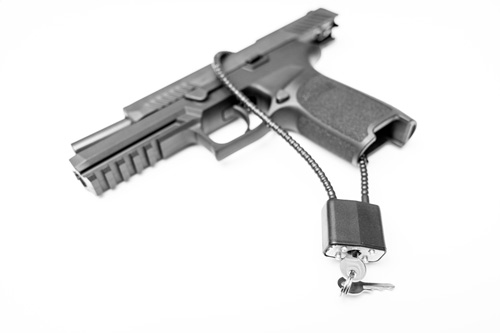
As required by Indiana Code 20-19-3-30.4, the Indiana Department of Education (IDOE) and the Indiana State Police developed the following education material to serve as best practices regarding the safe possession and storage of a firearm in a home with a child.
Responsible Firearm Ownership in a Home with a Child or Visited by Children
- Always keep firearms in a locked safe separate from ammunition.
- Examples: Traditional safe, biometric safe, hardened lockbox, etc.
- Ensure firearms are unloaded and stored in a secure location. If a firearm is removed from storage, never leave it unattended.
- Strongly consider added security with cable or trigger locks.
- Apply the same standards of care and security for firearms in automobiles.
- Consider temporary and secure out-of-home storage if someone in the household is experiencing or at a heightened risk of a mental health crisis.
- Ensure children cannot obtain access to keys/codes for the secure safe/storage used.
- Inform parents of children playing/visiting that there are firearms in the home.
- Maintain documentation for your firearm in case of theft.
- Ensure ammunition is always locked and separate from firearms.
- Store ammunition in proper containers to prevent dangerous degradation.
- Always properly dispose of old ammunition by bringing it to a local police department.
Firearm Handling in a Home with a Child or Visited by Children
- Teach children of all ages to stop, not touch, and report to an adult if they find a firearm of any kind. They are to never search for or play with guns at anyone’s home.
- As a responsible owner, take a firearm safety course to ensure thorough knowledge on how to safely operate, clean, and maintain a firearm.
- Always keep the firearm pointed in a safe direction.
- Never point a firearm at someone or a domestic animal, even if you think it is unloaded.
- Always assume a firearm is loaded.
- Review to ensure that the firearm operates correctly before use.
- If you decide that you no longer desire or need a firearm in your home, always dispose of it in a legal, safe manner. Consult with local law enforcement on the best process.
- Apply similar care to non-powder and air-soft guns, including BB guns, paintball guns, and pellet guns. Used improperly, these can cause serious injuries.
- Safe, responsible firearm ownership depends on education and training. Consult with your local law enforcement agency, certified firearms range, 4-H, or scouting organizations for age-appropriate youth safety courses.
Sources
- Always keep firearms in a locked safe separate from ammunition.