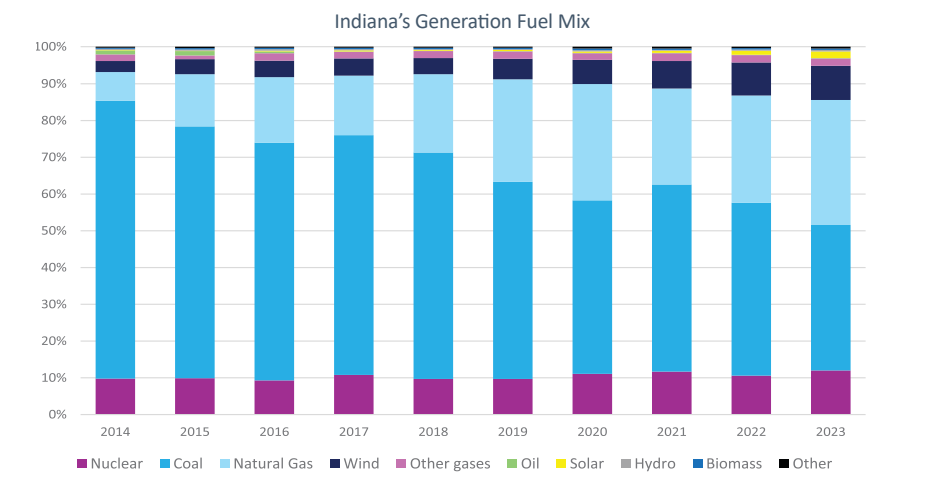
Nuclear energy plays a key role in Indiana's energy portfolio, offering low-carbon baseload that support 24/7 electricity generation. Nuclear energy currently contributes to roughly 20% of U.S. electricity and 12% of Indiana's total generation.
Traditional Nuclear Power
The U.S. has used nuclear power for over 60 years, with most existing reactors averaging around 40 years old- though many are designed to safely operate for up to 80 years. Nuclear power works by splitting uranium atoms in a reactor to generate, producing steam that spins turbines to generate electricity. Indiana receives nuclear energy from the D.C. Cook Nuclear Plant, a ~2.2 gigawatt plant operated by Indiana Michigan Power. The facility provides energy to more than 1.5 million homes. Nuclear energy contributes to grid stability, reduces emissions, and offers environmental and economic benefits.
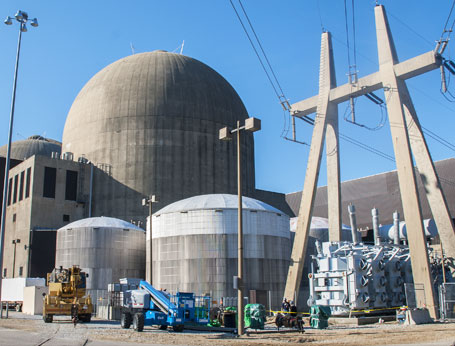
Source: Indiana Michigan Power- Cook Plant; see more here.
Learn more about nuclear power here.
Advanced Nuclear Technologies
Indiana is taking leadership role in exploring SMRs- SMRs are a form of next generation compact nuclear technologies designed for flexible, modular construction, enhanced safety, and faster deployment. These reactors are strong fits for replacing retiring fossil fuel plants and expanding carbon-free energy access while providing power to thousands of homes, industries, or campuses. Purdue University and OED have identified 8 retired coal plant sites across the state as prime infrastructure candidates with cost-effective existing assets and grid connections. The State further works toward on grid-readiness, workforce deployment, and feasibility studies, education outreach, and community engagement to support advanced nuclear expansion.
Traditional vs. Advanced Nuclear Reactors
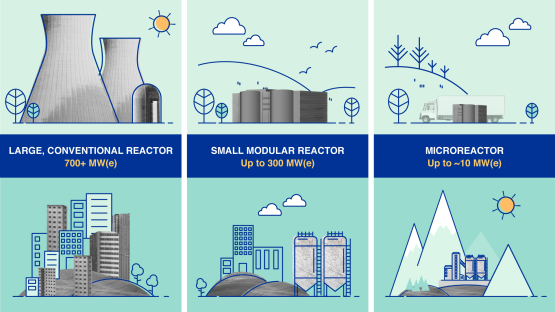
Source: International Atomic Energy Agency; see more here.
Nuclear in Indiana's Fuel Mix
Indiana’s fuel mix looks quite different than it did a decade ago. The chart below illustrates Indiana’s fuel diversity from 2014-2023.
The fuel mix will continue to change. For instance, Indiana utilities have begun noting the possibility of nuclear energy in their Integrated Resource Plans.
All-the-Above Approach
Indiana's nuclear policy fits within an all-the-above energy approach, supporting the use of a diverse mix of energy sources to meet demand for clean, reliable, and affordable energy. By including nuclear in the energy mix Indiana ensures:
- Grid reliability through 24/7 baseload power
- Low carbon generation to reduce emissions
- Workforce & economic development through high-skilled jobs and local investments
- Energy security through domestic, stable energy resources
Governor's Opportunity & Freedom Agenda
As part of Governor Braun's Opportunity and Freedom Agenda, Indiana has established Nuclear Indiana Coalition to help lead the state's efforts in expanding advanced nuclear energy. The Coalition brings together stakeholders to guide policy development, site evaluation, infrastructure planning, and long-term deployment goals. By aligning nuclear expansion with broader economic growth, energy security, and innovation, the initiative supports Indiana's transition to a diverse, resilient, and low-carbon energy future.
Supporting Indiana's Workforce
Traditional and advanced nuclear have the potential to significantly benefit Indiana's workforce by creating a wide range of high-skilled jobs in the energy sector. As these technologies are deployed, they will drive a demand for engineers, technicians, and scientists specializing in energy and reactor operations. Additionally, the construction of these plants will require a large labor force which will boost local economies.
Economic Growth Opportunities
The integration of advanced nuclear technologies including SMRs in Indiana has the potential to stimulate substantial economic growth. By attracting investment in cutting-edge infrastructure, these technologies can position Indiana as a leader in clean, reliable energy production. SMR plants, being more scalable and cost-effective than traditional nuclear reactors, can be deployed in diverse regions, stimulating local economies through construction and operational activities. The long-term economic benefits include not only job creation but also a more effective supply chain for nuclear service allowing Indiana to meet the growing demands of energy, while fostering growth in sectors like manufacturing, research, and technology.
Nuclear Indiana Coalition
As part of Governor Braun's Opportunity and Freedom Agenda, the Nuclear Indiana Coalition will help lead the state's efforts in expanding advanced nuclear energy. The Coalition brings together stakeholders to guide policy development, site evaluation, infrastructure planning, and long-term deployment goals. By aligning nuclear expansion with broader economic growth, energy security, and innovation, the initiative supports Indiana's transition to a diverse, resilient, and low-carbon energy future.
Previous Events
Meeting #1. Wednesday, November 19, 2025
Meeting #2. Wednesday, December 11, 2025
Meeting #3. Thursday, April 2, 2026
Meeting #4. Thursday, June 4, 2026
November 2025 Purdue University Global Nuclear Energy Economic Summit
In November 2025, Purdue University hosted the Global Nuclear Energy Economic Summit, where Indiana's roadmap to nuclear energy was discussed. Governor Braun attended the event.
Advanced Nuclear First Mover Initiative
Indiana serves as a co-chair in the Advanced Nuclear First Mover Initiative- launched by National Association of State Energy Officials with support from the National Governors Association. Governor Braun emphasized Indiana’s leadership role and commitment to clean, reliable energy.
Indiana - NGA Nuclear Retreat
The U.S. Department of Energy and the National Governors Association selected Indiana to host an in-state nuclear energy planning retreat in the summer of 2025. The event focused on creating a state-based nuclear working group, enhance community education opportunities, and explore economic development with the nuclear.
IBJ Nuclear Forum
In partnership with the Indianapolis Business Journal (IBJ), OED hosted its inaugural Nuclear Energy Forum in July 2025. The gathering brought together state leaders, industry experts and utility partners to explore nuclear energy and its role in Indiana’s strides toward clean, reliable energy.
Connect With Us
Have questions about nuclear or want to learn more? Get in touch at Nuclear@oed.in.gov
Advanced Nuclear Energy Project Financing Options Report
By: Energy Systems Network
OED SMR Study
By: Purdue University
OED collaborated with Purdue University to develop a comprehensive study that analyzes the applications and impacts of SMR technology part of Indiana's energy portfolio.
Below are the study summary, summary handout, and the technical report:
More Facts & Resource on Nuclear
- U.S. Department of Energy - Nuclear Energy
- Nuclear Energy Institute - Resources
- American Nuclear Society - About Nuclear
- Gateway for Accelerated Innovation in Nuclear - Resources
- Purdue University - Nuclear Engineering
- I&M Power - Cook Plant
OED Handouts
Nuclear Regulatory Commission
Oversees the civilian use of nuclear materials and facilities to ensure health and safety. The NRC's role is crucial in ensuring that nuclear energy, as well as nuclear materials, are used safely, securely, and in compliance with safety standards. Learn more here.