
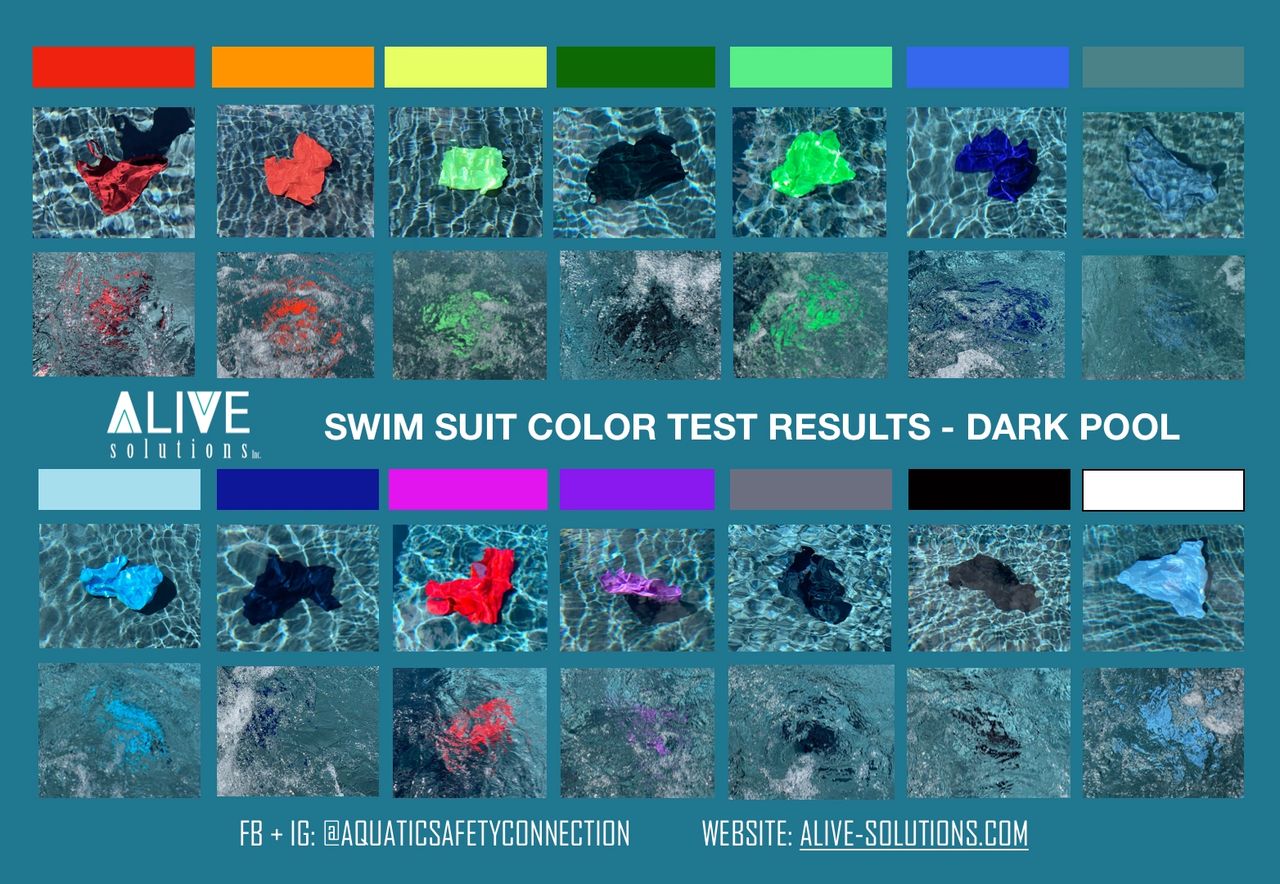
Most drowning deaths among children ages 1 through 4 occur in residential swimming pools (CDC, 2024). Most children who drowned in swimming pools were last seen inside the home, had been missing for less than five minutes, and were in the care of one or both parents at the time of the incident (CDC, 2024). It’s important for families to know the potential dangers in order to keep their families safe when in or around swimming pools. Resources are available to promote pool safety in your community. Potential safety topics include active supervision, safe pool chemical storage, swimsuit color visibility, drain awareness, and many others!
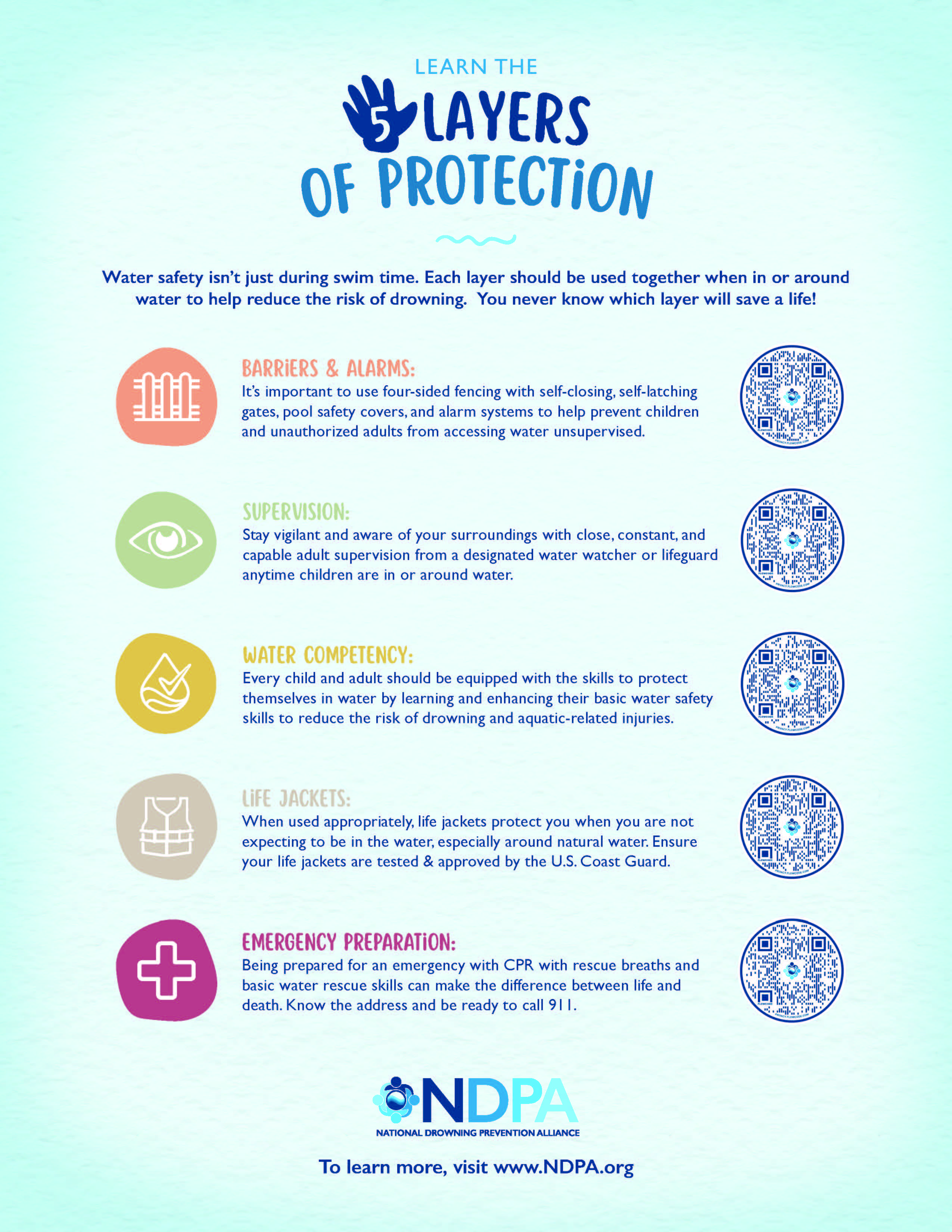
- Supervise Children: Never leave a child unattended in or near water
- Learn to Swim: Teach children how to swim
- Know Your Drains: Teach children to stay away from drains
- Ensure Compliance: Ensure all pools and spas have compliant drain covers
- Install Safety Devices: Install proper barriers, covers and alarms
- Get Certified: Know how to perform CPR on children and adults
- Take the Pledge: Take the Pool Safely Pledge
Learn more here.
Properly stored ladders add a layer of protection for children by preventing access to the water.
- Make sure the ladder is completely removed from the water and not placed near the pool
- Water Safety Season Toolkit - NDPA
The average hot tub temperature is 102 degrees Fahrenheit.
- Young children should not be allowed in a hot tub until they are able to stand on the bottom and have their heads remain completely out of the water
- Time in hot tubs should be limited for children. Five minutes at a time is the recommended amount (Kids Plus Pediatrics).
- Hot tubs are not recommended for pregnant women
- The maximum core body temperature for pregnant women is 102.2 degrees Fahrenheit. Anything above that could harm the baby (American College of Obstetrics and Gynecologists).