Why Sugar-sweetened Beverages Matter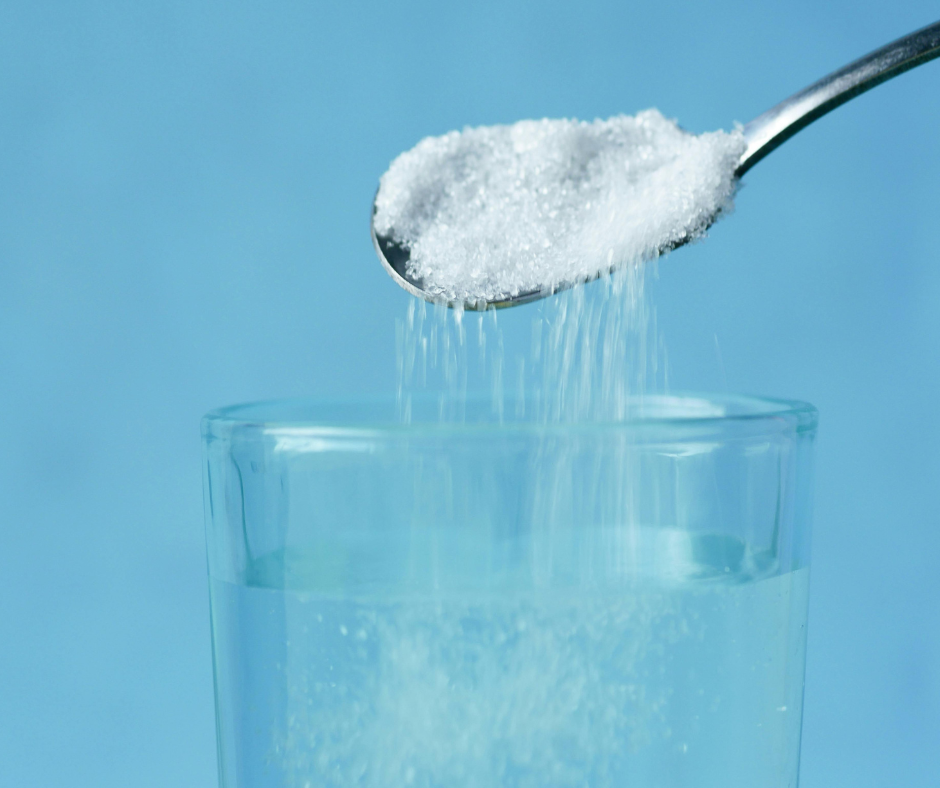
Sugar-sweetened beverages (SSBs) are drinks that contain added sugars, which contribute to tooth decay, weight gain, and other health problems. These beverages include soda pop, juice and fruit drinks, sweetened teas and coffees, flavored waters, chocolate milk, and sports and energy drinks. Unlike naturally occurring sugars found in whole fruits and dairy, added sugars provide no essential nutrients and increase the risk of cavities. The sugars in SSBs feed bacteria in the mouth, producing acid that attacks and dissolves tooth enamel, leading to decay over time. Even 100% fruit juice, while containing natural sugars, can have as much sugar and calories as soda pop. Choosing water instead of sugary drinks can help protect your teeth and overall health.
The Impact of SSBs on Oral Health
- Drinking soda pop nearly doubles the risk of cavities in children
- The sugar in SSBs feeds bacteria in the mouth, leading to acid production that attacks and dissolves tooth enamel
- SSBs can lead to gum disease, dry mouth, cavities and many other health concerns
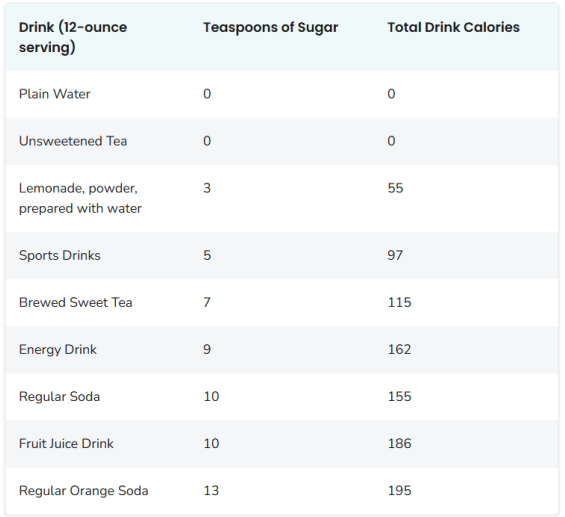
Excessive sugar intake contributes to tooth decay, obesity, and other health risks. The Centers for Disease Control and Prevention (CDC) states that the Dietary Guidelines for Americans 2020–2025 recommends that:
- People age 2 years or older limit added sugars intake to less than 10% of their total daily calories. That means:
- For a 2,000-calorie diet, no more than 200 calories should come from added sugars
- 200 calories equal about 12 teaspoons of added sugar from both food and beverages
- Children younger than 2 years should not be given any foods or beverages with added sugars
Excessive sugar intake contributes to tooth decay, obesity, and other health risks. Here are the recommended daily limits:
- Newborns & Infants: 0 tsp (0g)
- Toddlers & Preschoolers: 4 tsp (16g)
- Children (4-8 years old): 3 tsp (12g)
- Pre-teens & Teenagers: 5-8 tsp (20-32g)
- Adult Women: 6 tsp (24g)
- Adult Men: 9 tsp (36g)
Visit the CDC's Dietary Guidelines for more information.
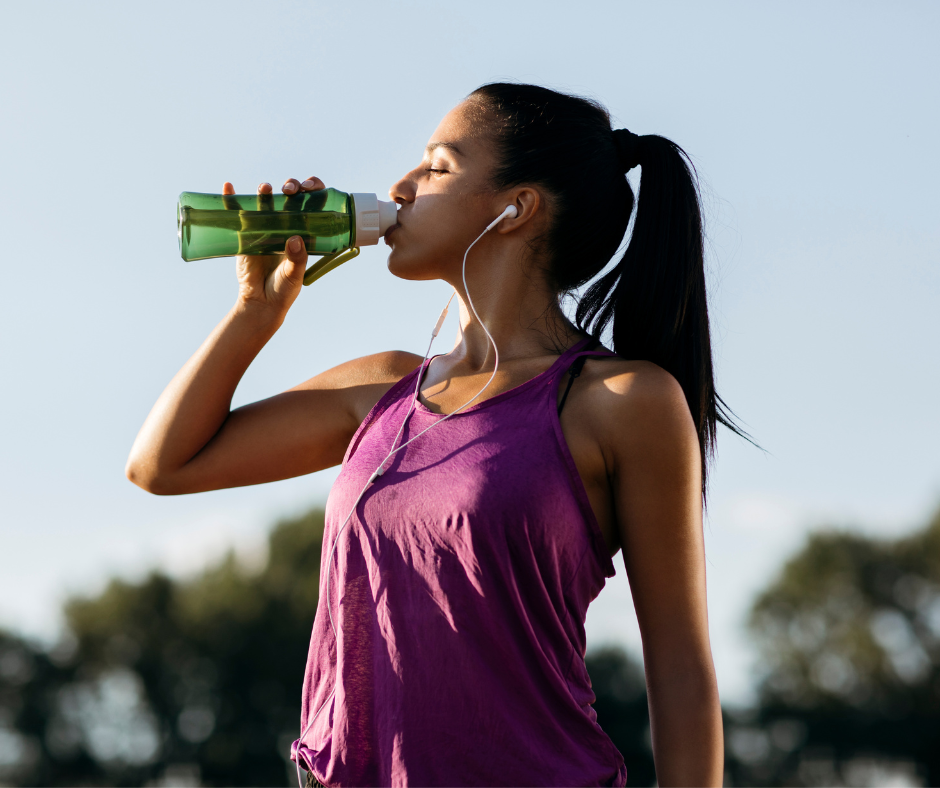
Instead of sugary drinks, try these simple swaps:
- Choose water or milk (1% or nonfat for those older than age 2)
- Add fresh fruit slices like lemon or lime to water for flavor
- Freeze 100% fruit juice into ice cubes and add them to water for a hint of taste
- Keep a jug of cold water in the fridge or grab bottled water when on the go
- Try unsweetened nondairy substitutes instead of those with added sugar
Do you know how much sugar there is in the drinks you have every day? Finding out is easy! Just check the nutrition facts label and look for sugar in one serving.
Check added sugars: Drinks that may seem good for you, like lemonade, flavored milk, sports drinks, sweetened non-dairy substitutes and many more could be loaded with added sugar. Look for these terms in the ingredients list: sucrose, glucose, maltose, dextrose, syrups, concentrated fruit juice, agave and honey.
Read the nutrition facts label carefully. One container may be more than one serving, which can double or triple the added sugars you’re getting.
Click here to read a CDC source on how to spot hidden sugars in everyday food.

- Drink, don’t sip. Sipping gives the bacteria more time to eat the sugar and to create cavities. Try to drink sweetened coffees, teas or sodas in one sitting instead of sipping on them over a longer amount of time. If you give your child juice, have them drink it with meals only, and put only water in a sippy cup they might carry around during the day
- Fluoridated water protects teeth and has reduced the number of cavities across the nation. Click here to see if your water is fluoridated
- Reduce the portion size and frequency of SSBs. Drink them only occasionally and in small amounts (8 ounces or less).
- Avoid letting babies and toddlers carry around sippy cups or bottles with SSBs and never put them to bed with sugary drinks
- Brush with fluoride toothpaste twice a day for two minutes each time and floss once daily to protect teeth from decay
Interested in sharing this message with your school, workplace, or community? Here are some fun informational pages to share:
- Rethink Your Drink Brochure | Spanish
- Rethink Your Drink Poster
- Healthy Beverage Consumption in Early Childhood