Furbearer Trapping
Regulated trapping is an important part of Indiana’s management of furbearers. Trapping is highly regulated, and those regulations are strictly enforced by conservation officers. Regulated trapping is a sustainable activity that does not cause species to become endangered, and much of the animal trapped is used by those licensed to trap. Not all furbearers have a regulated trapping season.
Furbearers with a regulated trapping season include:
- beaver
- bobcat
- coyote
- gray fox
- long-tailed weasel
- mink
- muskrat
- opossum
- raccoon
- red fox
- river otter
- striped skunk
All of these species, except bobcat and river otter, also have regulated hunting seasons. Like trapping seasons, these are generally in the fall and winter when the animals are mostly used for meat and fur and to avoid the period when the animals might have young in dens. To learn more about the hunting seasons and regulations for furbearers, visit the Hunting & Trapping Guide.
Trapping on state-owned lands
Fish & Wildlife areas (FWAs) also include Wetland Conservation Areas and Wildlife Management Areas. These properties typically allow water/wetland trapping only. Wetland trapping is available through a drawing that is held annually on the first Saturday in October at 10 a.m. local time. This information is posted on the website of each property that allows wetland trapping and conducts a drawing.
Contact the property for more information about drawings or if any opportunities for dryland trapping are available.
Generally, nature preserves are closed to regulated trapping. If a nature preserve is within an FWA, the trapping regulations for the FWA would apply. See the above information about FWAs for more details.
Most state forests are closed to all trapping. A few may allow limited water trapping. Contact the property for property-specific information.
Indiana State Parks are generally closed to trapping. Some State Reservoirs (Brookville Lake, Hardy Lake, Mississinewa Lake, Monroe Lake, Patoka Lake, Salamonie Lake) allow limited trapping. Contact the property for specific information.
Trapping is allowed at Interlake Off-Road State Recreation Area (OSRA) by permit only. Contact the property for more information. Other OSRAs are closed to trapping.
Trapping is allowed anywhere in Hoosier National Forest, except in recreation areas with designated boundaries, Pioneer Mothers Memorial Forest, or where otherwise posted. All state laws apply and are enforced. Discharging a firearm or bow is prohibited within 150 yards of a developed recreation site, including trails, a residence, or any place where people are likely to be. Discharging a firearm, air rifle, or gas gun from, into, or across any parking area, trail, boat ramp, body of water, or road that is open to motorized vehicle traffic is prohibited. Review the rules and regulations online.
Best Management Practices for Trapping
Best Management Practices for Trapping, or BMPs, are determined by research into traps and trap systems for humaneness, efficiency, selectivity, practicality, and safety. The program has been testing traps and trap systems under international standards since 1997. BMPs help Indiana DNR be confident that traps and trap systems are humane for wildlife while giving licensed trappers information about which traps have been shown to be humane and effective at catching furbearers.
BMPs for trapping
Visit furbearermanagement.com.
Trap portal
Find BMP traps on furbearermanagement.com.
BMP reports
See species BMPs on furbearermanagement.com.
BMP videos
furbearermanagement.com's YouTube channel.
Bobcats
Bobcats can be tricky to successfully release from foothold traps. Bobcats are built differently than species like coyotes and foxes. Care must be taken to not cut off a bobcat’s blood flow. When releasing a bobcat from a foothold trap, it is important to not use a snare/catch pole, as this can cut off the bobcat’s main arteries. Using a V board instead will prevent harming the animal and keep you safe. A best management practice is having three swivel points on your trap chain for ease of leg movement. The following diagrams show examples of how to safely release a bobcat alone, or if you have help. If possible, releasing a bobcat with the help of another trapper is the safest option. Learn more about the bobcat season.
Tools you will need
V board

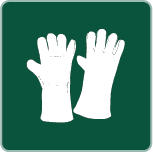
Heavy gloves
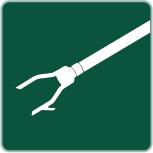
Trapper's helper
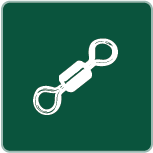
Swivel
Use the V board as a barrier to gently push the animal away after releasing.
Releasing the bobcat alone

Releasing the bobcat with help

Other resources
Places to market your fur
- Contact a local Indiana Fur Buyer.
- Find an Indiana State Trappers Association Fur Sale.
- Sell through an auction house: Fur Harvesters Auction.
- Find a local pickup: Groenewold Fur & Wool Co.
Indiana requires relaxing locks for some types of cable device, or snare, sets. DNR uses the Association of Fish & Wildlife Agencies’ (AFWA) definition of relaxing, which is a lock that allows the snare loop to release constriction pressure when the animal stops pulling. There are a wide variety of relaxing locks on the market, many of which meet Best Management Practices standards for trapping for different species. Read AFWA’s guide on modern snares.
Harvested bobcats must be registered in-person and receive a CITES tag at a furbearer registration station. Station locations can be found here.
Harvested river otters must be registered in-person and receive a CITES tag at a furbearer registration station. Station locations can be found here.