The Opioid Epidemic in Indiana
Opioids are a class of drugs that can be used to reduce pain. This includes prescription drugs that are legally prescribed by a doctor (e.g., Vicodin, Percocet, and OxyContin) as well as illicit opioids such as heroin. The opioid epidemic is devastating communities throughout the United States, including Indiana. In 2018, there were 1,098 opioid-related deaths in Indiana and the state was 19th in the United States in a ranking for the highest drug overdose death rates. Most overdose deaths in Indiana occurred among individuals between the ages of 18- and 60- years old, but can impact children and adolescents
How to Talk to your Child about Drugs
Partnership to End Addiction: Connecting and Talking with Your Teen
Early Warning Signs of Teen Substance Use
One of the most challenging aspects of substance use disorder (SUD), is that it is a progressive disease making early warning signs hard to spot, allowing unhealthy patterns to develop into full-blown SUD quickly. Teens already experience mood swings due to changing hormones as a natural part of adolescence. Pay attention if your teenager is experiencing mood swings in conjunction with changes in behavior or appearance such as the following, as these could be signs of medication misuse or drug abuse:
- Loss of interest in activities they previously enjoyed.
- Dropping old friends for a new friend group.
- Acting despondent, aggressive, or angry.
- Sleeping more or less than usual.
- Breaking rules at home and/or school.
- Exhibiting physical changes like sudden weight loss, frequent nosebleeds, bloodshot or watery eyes, or shakes and tremors.
Knowing your teenager’s passions, interests, and habits can make the early warning signs more apparent. Casual use can quickly spiral out of control if you ignore problems, rationalize teenage drinking or smoking marijuana, or avoid having open and honest discussions with your child. The earlier intervention happens, the more effective prevention and treatment efforts will be. For more early warning signs of substance use, check out this article by the Hazelden Betty Ford Foundation.
Treatment Options for Teens
If you or your teen needs treatment for substance use, click here to locate a treatment provider near you.
Prescription Medication Safety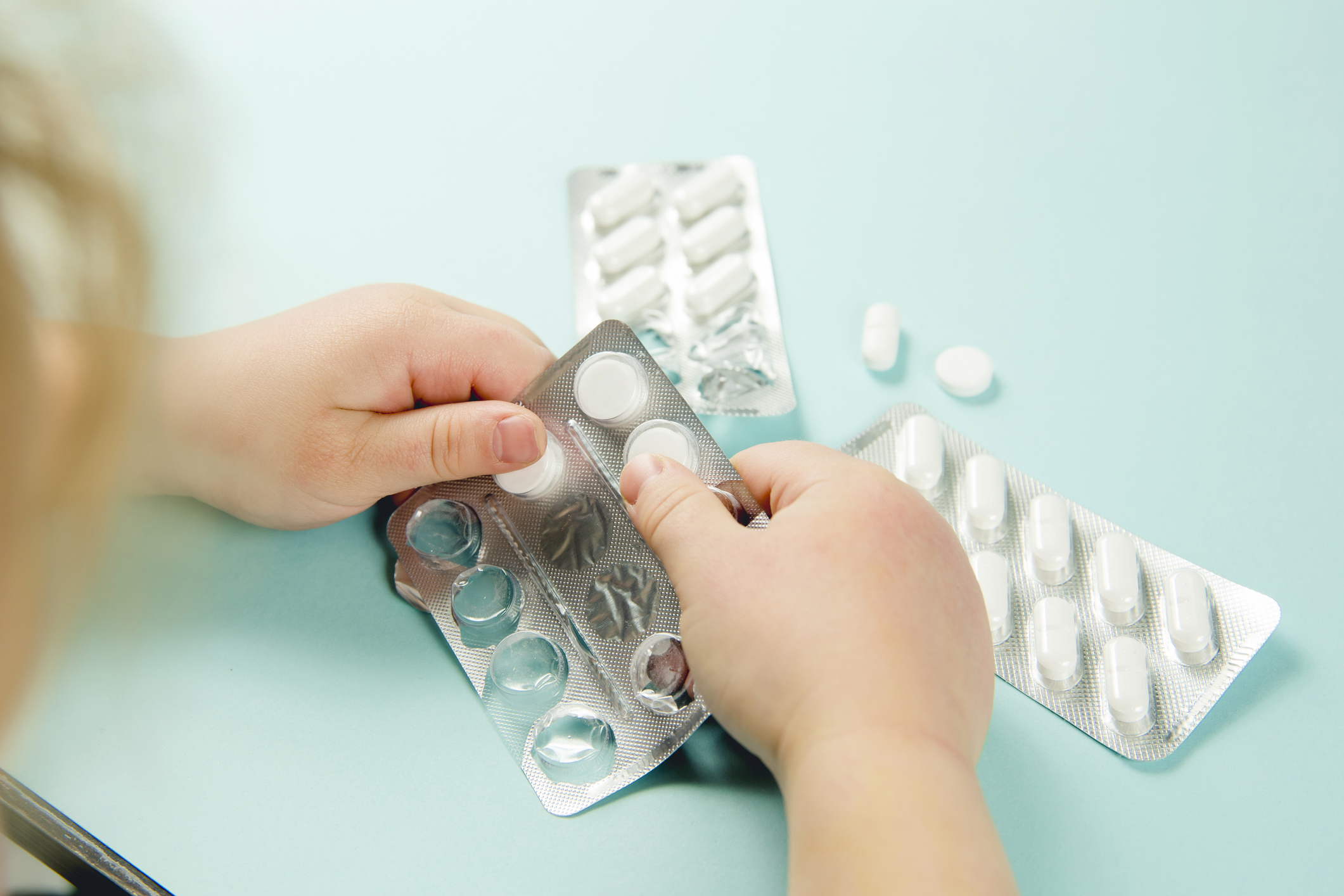
According to the Centers for Disease Control and Prevention (CDC), more than 1,000 people are treated in emergency departments for misusing prescription opioids, and more than 46 people die from prescription opioid overdoses. Between 2000 and 2015, poison control centers received approximately 188,000 calls regarding pediatric and teenage exposure to opioids. Sixty percent of children exposed to opioids were younger than 5, while teenagers accounted for 30 percent.
To help prevent prescription misuse in children and teens it is important to keep prescription medications stored properly (out of sight and locked up) and dispose of expired and/or unused medications. Do not flush your expired or unused medications. The best way to dispose of unused or expired medication is through a drug take-back program. Click here to locate a take-back site near you. To learn more about medication storage and safe disposal, visit this site. Additionally, you can view this guide on safe and effective pain management recommendations.
Naloxone
Naloxone, also known by the brand name Narcan®, is a non-narcotic that is an antidote for opioid overdoses. If administered in a timely manner, naloxone can reverse the life-threatening respiratory failure that is usually the cause of overdose deaths. Hence why many experts highly recommend having it available in households where there ia s risk of an opioid overdose. It can be easily administered by parents and siblings in the event of an emergency. Naloxone has been proven effective in reversing overdoses caused by heroin and prescription medications such as OxyContin, Percocet, Methadone and Vicodin. To learn more about Naloxone, including training videos, and frequently asked questions, click here. No prescription is needed to access Naloxone, visit the OptIN registry website to locate a site near you where you can purchase Naloxone.
Pregnancy and Substance Use
If you are pregnant and you use drugs, tobacco, alcohol, or caffeine, so does your baby. What you eat, drink or use passes on to your child through the placenta. Babies do not process substances the same way adults do. ALWAYS ask your health care provider if it is safe to use any drug, medication, over-the-counter medicine, vitamin or home remedy. Your doctor may change your prescriptions while you are pregnant. There are many dangerous risks to mom and baby of taking drugs not recommended by a doctor. For more information on substance, alcohol, and/or tobacco use during pregnancy, including a list of risks and frequently asked questions, click here.
The Indiana Department of Health Maternal and Child Health Division created the MOMs Helpline, committed to improving pregnant women’s access to early and regular prenatal care and connecting them with a network of prenatal and child health care services within their local communities, state agencies, and other organizations around Indiana.
Additional Resources
- Indiana’s Next Level Recovery
- EduMed's "Safe and Responsible Pain Management " Guide
- Support Groups such asAl-Anon, for parent’s and loved ones of person’s with SUD