PERSPECTIVES FROM THE CAMPUS
One of the strengths of Indiana is that we bring together a variety of perspectives from the plethora of areas that touch the field of cyber, especially through the colleges, universities, and other institutions of higher education throughout our state. Hence the name, “Perspectives from the Campus”, we invite experts – immersed in the pursuit of educating their students – to offer their knowledge for finding solutions in cybersecurity that benefit all Hoosiers.
In the latest installment of this series, David Dungan, who serves as the co-founder of the Indiana Cyber Network (ICN), discusses the importance of maintaining a “clean desk” and why it’ll help in keeping your workspace -- and your office -- more secure when it comes to guarding against potential scams and cyberattacks.
Housed at Anderson University, ICN is a nonprofit public-private partnership and consortium of academic institutions building the state's cybersecurity workforce and defense capabilities.
By David Dungan
We’ve all been there.
We get busy, or perhaps too focused on completing an important task, and suddenly we overlook a small detail that contains sensitive information.
In that moment, our productivity can take over our ability to step back, adjust a few things and make sure we’ve secured our data or the systems that we’re using to get the work done and still meet our deadline.
The problem is, we’re human and that’s what a cybercriminal is counting on.
The human element remains the leading vulnerability, factoring into 68 to 88 percent of analyzed breaches overall. Add to that, 60 percent of internal breaches stem from negligence, carelessness, or poor user practices, such as misplacing hardware or writing down credentials.
Suffice it to say, our desks and, for that matter, our office environment has changed dramatically.
The definition of a messy office has expanded to remote workspaces, leaving devices unlocked or letting a houseguest, delivery worker, or even a co-worker gain access in a way that creates a direct gateway. From there, it takes just a few unattended minutes on a corporate session to compromise an entire network.
Keeping things tidy has a cost; the 2026 IBM Cost of a Data Breach Report notes that the global average cost of a data breach is $4.99 million. What’s more, organizations take an average of 241 days to identify and contain an incident.
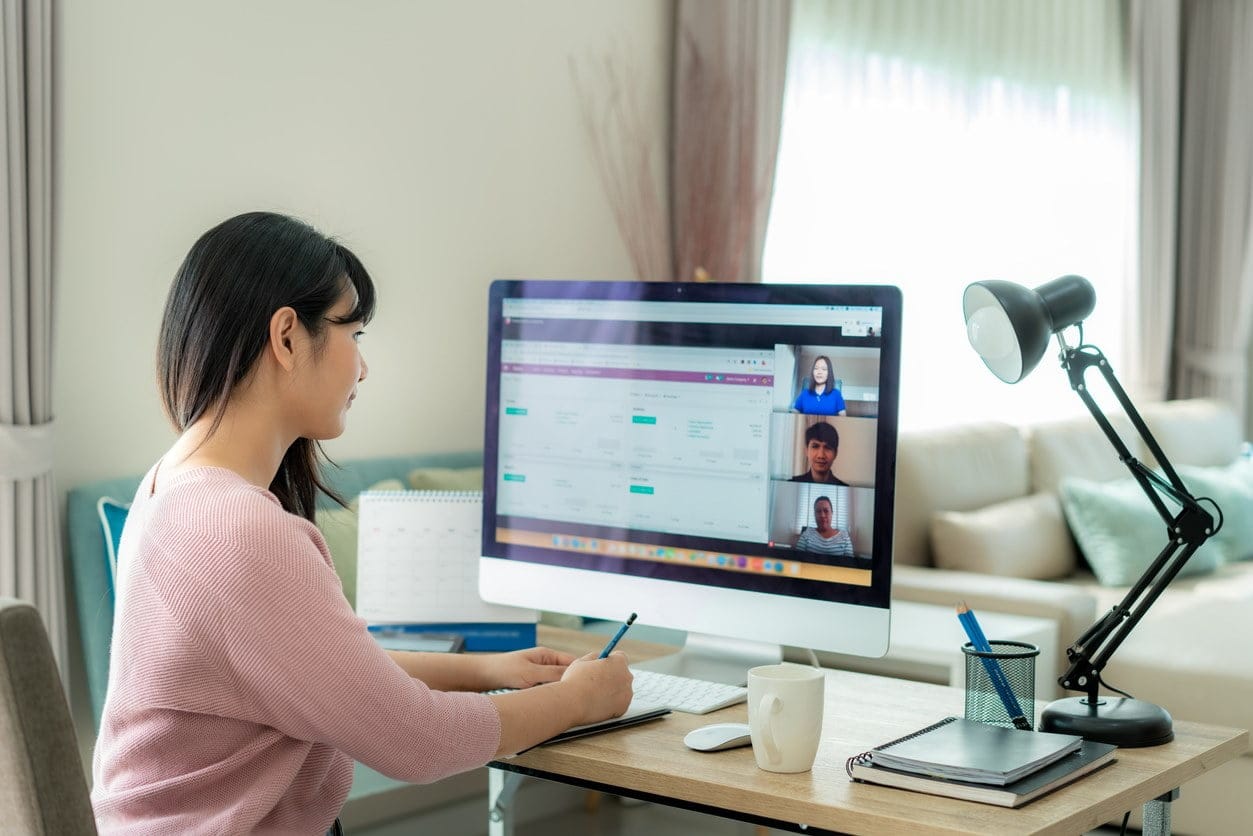
While it’s true that most of us would readily acknowledge that writing down a password on a notepad or sticky note is not something we should be doing, we have to keep in mind that if you’re on a call on Teams or Zoom, anyone might be able to see that information. The same is true for any personal or company information that is in view of the camera (and it could be recorded).
The same is true if people are not changing their passwords on a regular basis, sharing login credentials, or not using multi-factor authentication (MFA).
To avoid this, it’s a good idea to consider using a password manager or a locked notes app on your phone that requires authentication to open. These methods can be much more secure than simply writing down passwords physically. The same is true for any other personally identifiable information (PII) such as addresses, usernames, and email addresses.
While some of these actions may seem unimportant, they could save you from having someone take over your Zoom call. You can also use filters, depending on what platform you are using, to blur the background, making it harder for actors to get your personal information.
Organizing your office can also be helpful in getting rid of items that you no longer need. In doing so, it can make an impact on how people view you, especially if your workspace is cluttered or appears to be disorganized.
Another option is to adopt – either for yourself or your company – a clean desk policy. It doesn’t have to be strict, and it might be viewed with some skepticism at first, but it’s something that could help improve life in the office. Among the steps you’ll want to include are:
- Set clear rules
- Do it together
- Make it easy for your employees
- Make sure there’s space to store things
- Desk accessories within reach, but out of sight
- Provide clean and accessible sanitary facilities
When it comes to digital technology, we often talk about the importance of maintaining good cyber hygiene. After all, what better way to increase productivity than to keep our desks and offices clean and secure?