
Riparian Corridors
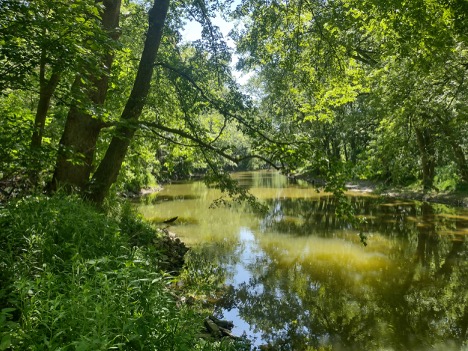
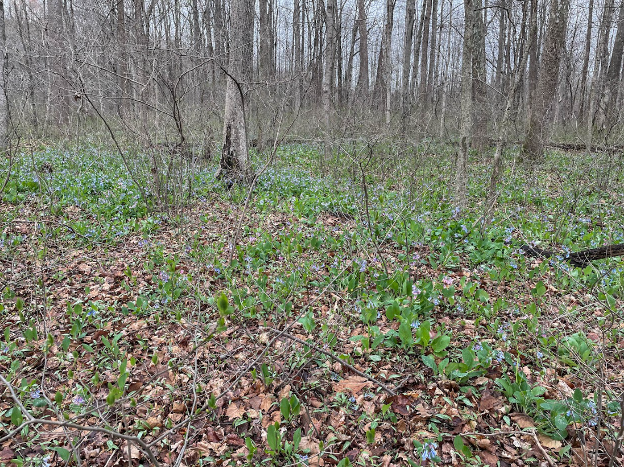
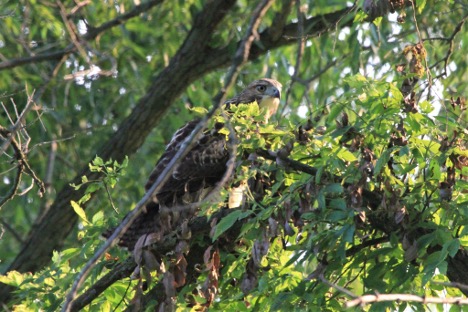
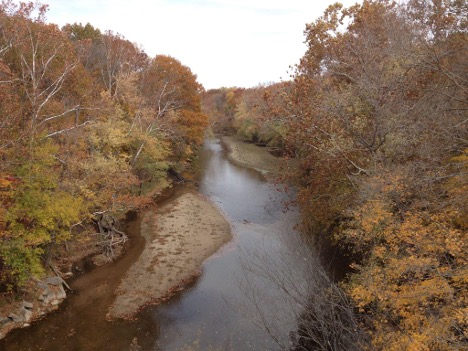
Riparian corridors are characteristically forested areas next to streams and rivers. These wooded ecosystems are unique because of their relationship to those waterways. Their proximity to rivers and streams means they affect and are affected by the health of those lotic ecosystems. Riparian areas are not only ecosystems in their own right but also serve as travel corridors connecting otherwise inaccessible fragments of habitat for forest-dwelling species. Some species found here include amphibians like frogs, toads, and salamanders, as well as birds like hawks and egrets. Some Species of Greatest Conservation Need found in riparian corridors are great egret (Ardea alba), cerulean warbler (Setophaga cerulea), and red-shouldered hawk (Buteo lineatus).
Areas classified as riparian corridor ecosystems in Indiana.

- Ecosystem Services and Human Benefits
Riparian corridors protect the quality of the state’s water resources. The growth of vegetation on riverbanks filters pollutants to ensure the flow of fresh water. These woody areas also hold soil fast and absorb excess rainwater, mitigating and preventing floods and riverbank overflow. This also protects the quality of nearby trails and recreation areas by reducing erosion. All forested areas act as long-term carbon storage, contributing to cleaner air and a more stable climate. Wooded areas near flowing water also provide unique habitat for birds and amphibians, serving to connect otherwise fragmented forests or wetlands. Due to their diverse benefits, protection of riparian corridors is vital to habitat management and land preservation within Indiana. Loss of these ecosystems may result in soil erosion, sedimentation, flooding, increased water pollution, and losses of native wildlife.
- Ecosystem Status
Changes in climate have increased annual temperatures and precipitation within Indiana, causing flooding and habitat destruction in riparian corridors. The state predicts a 6-8% increase in precipitation during the next 25 years, and a 5-10% increase during the next 75 years. Rainfall is expected to be heaviest during winter and spring, making flood risk most serious during these seasons. For optimal ecosystem conditions, riparian corridors should be at least 50-100 feet wide on each side of a waterway, with native grasses lining upland edges. Historic land and resource use practices have led to altered natural riparian areas, as many have been replaced by agriculture, urban development, or pastures. Conservation programs that assist landowners with restoring and maintaining riparian corridors may help maintain the integrity of this ecosystem in Indiana.
- Ecosystem Pressures
Slight shifts in precipitation can have detrimental effects on riparian corridors, which may become oversaturated, leading to soil erosion and subsequent sedimentation in waterways. In this event, risks of flooding become heightened, placing native plants and animals at risk for habitat destruction. Pollutant mobility is also increased with increasing precipitation, as rainwater washes hazardous chemicals or toxins into streams.
Threats from harmful native and invasive terrestrial species also persist in riparian corridors, affecting biodiversity. Invasive plants such as Japanese knotweed (Fallopia japonica) and purple loosestrife (Lythrum salicaria) invade riparian habitats quickly due to their high production of viable seed and ability to withstand many habitat conditions. These plants are not conducive to the functioning of the ecosystem, as their ability to hold soil together in areas near waterways is poor, causing increased erosion. Invasive animal species in these ecosystems may include mute swans (Cygnus olor), a non-native waterfowl with aggressive nesting and feeding habits. Mute swan populations have expanded over the last few decades, and these birds may eat up to 8 pounds of wetland and aquatic vegetation per day with significant uprooting of vegetation they don’t eat. Not only does this negatively affect the biodiversity of the ecosystem, but it also significantly reduces the food sources available to native animals and opens ground space for non-native plant growth.
Additional pressures that affect riparian corridor ecosystems in Indiana can be explored here.
- Ecosystem Conservation Opportunities
An opportunity to protect Indiana riparian corridors exists in prioritizing riparian conservation in technical assistance and incentive programs. As with many ecological conservation opportunities, meaningful incentives will help drive landowner and public participation, as well as interest in programs. Some financial assistance programs are available through the United States Department of Agriculture and Natural Resources Conservation Service; however, expansion of these programs with increased access is needed to support the many riparian corridors on private land within the state. Unconventional means of incentives may also be applied, such as hunting leases. Goals of such programs should include avoidance of downstream flooding, decreased sedimentation and erosion, increased refuge for wildlife, and improved water quality.
Identifying and targeting management in priority wildlife corridor areas offers another opportunity to improve riparian corridor ecosystems. Mapping federal, state, local, and private lands with keystone species will allow conservation groups to identify high conservation value areas given the current state of ecosystems and predictions of changes in climate. From here, providing directions for landowners and fostering public responsibility may elevate conservation program work, promoting overall better management practices.