
Lakes and Reservoirs
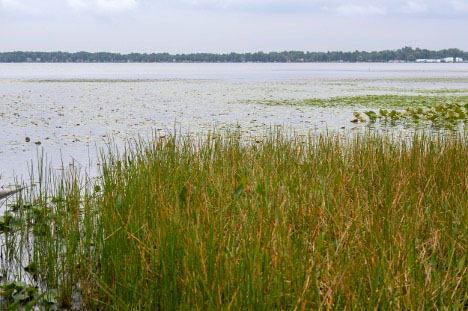
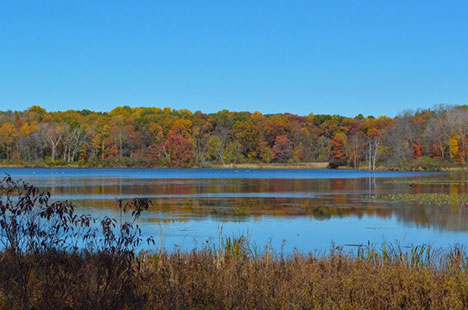
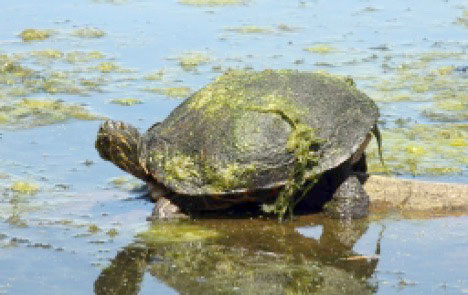
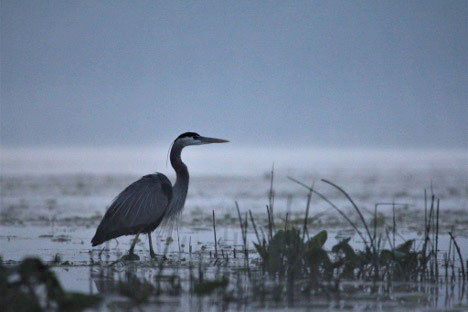
Lake and reservoir ecosystems include lentic habitats that form in still bodies of water around the state of Indiana. Some lakes developed naturally through millennia of geological processes while others have been artificially constructed and maintained. In Indiana, glacial lakes occur primarily in the northern part of the state, formed by melting glaciers during the last ice age. In the southern portion of the state, most lake ecosystems are reservoirs constructed by damming a river. The lakes of Indiana vary widely in habitat, often due to nutrient composition. Less fertile lakes tend to be deep and well oxygenated, with silty clay soil called marl or sandy substrates. More fertile lakes tend to be shallower, with muck bottoms and dense stands of aquatic vegetation. Indiana lakes also vary in levels of eutrophication, a change in nutrient levels that can cause harmful ecological disruptions. Typical fauna in and around lakes include painted turtles (Chrysemys picta), largemouth bass (Micropterus salmoides), and green herons (Butorides virescens). Many fish on the Indiana Species of Greatest Conservation Need list live in Indiana lakes, including pugnose shiner (Notropis anogenus), cisco (Coregonus artedi), and redside dace (Clinostomus elongatus).
Lake and reservoir ecosystems in Indiana in 2024

- Ecosystem Services and Human Benefits
Indiana lakes provide usable water, opportunities for recreation, and critical watershed management. More than half of Indiana’s fresh water comes from lakes, rivers, and streams. Healthy lake ecosystems feed clean water both directly to nearby homes and indirectly to downstream communities. Visitors to Indiana lakes engage in watersports like kayaking, swimming, boating, and fishing. Outdoor recreation offers Hoosiers and visitors numerous physical and mental health benefits. Reservoirs also take and hold excess water during precipitation events. Well-managed lake and reservoir systems decrease the frequency and severity of floods, which are often destructive to homes, businesses, and nearby habitats. The health of Hoosiers relies on the health of lake ecosystems. To protect these benefits, stewardship of Indiana lakes must prioritize maintaining healthy ecosystems, safe spaces for watersports, and plentiful opportunities for fishing.
- Ecosystem Status
Water quality in lake and reservoir ecosystems has declined in recent years, with incidences of blue-green algae becoming an area of public caution. Regular sampling of Indiana’s reservoirs and lakes is conducted during the summer months by DNR to collect data on the type and quantity of blue-green algae and related toxins present. Beach advisory alerts related to high levels of cyanobacteria have become common in summer for some lake and reservoir ecosystems in Indiana. Along with algae blooms, Escherichia coli hasbecome a challenge in Indiana waterways and can also close beaches. Limited management of lake and reservoir shorelines has led to habitat disturbances. According to the National Lakes Assessment analysis conducted by the U.S. Environmental Protection Agency in 2012, 33% of Indiana lakes met requirements for the most disturbed habitats. In coming decades, changes in climate are projected to warm waters and reduce ice cover, affecting fish and wildlife species.
- Ecosystem Pressures
Indiana lakes and reservoirs face pressures from problematic aquatic plants and animals, with eradication measures being costly and time intensive. Lakes are the center for prominent fisheries and commercial resources, so damage from invasive species plays a role in harming ecological and economic health. Costs of eradication can be extensive, with Indiana spending nearly $1 million on Eurasian watermilfoil (Myriophyllum spicatum) control each year alone. Growing numbers of aquatic invasives place increased pressure on conservation efforts to remove harmful populations from Indiana’s waterways and promote the proliferation of native aquatic plants and animals.
Threats from agricultural, silvicultural, and aquaculture systems are also prominent for Indiana lakes and reservoirs, including nutrients, toxic chemicals, and sediments that contaminate the waterways. Sediment has been recognized as a primary water pollutant, causing water to become cloudy and reducing holding capacity. Its presence creates unsuitable environments for inhabiting plants and animals to thrive, leading to reductions in native populations. Chemicals like pesticides and fertilizers have been introduced to aid in agricultural output but become pollutants if they end up in lakes or rivers. The benefits of chemical use in farming must be balanced with their detriments to nearby ecosystems to inform best practices for both agricultural lands and lake ecosystems. Aquatic ecosystems may also be affected by changes in climate patterns, which are discussed in this supplemental report.
Additional pressures that affect lake and reservoir ecosystems in Indiana can be explored here.
- Ecosystem Conservation Opportunities
Conservation professionals highlighted two opportunities for reducing pressures in lake and reservoir ecosystems. To help decrease pollutant concentrations, the first is to expand incentives and disincentives for runoff, sedimentation, and water storage on private lands. To empower the public and landowners to take action in this way, reliable data will be crucial to update incentive structures and best management practices. Local engineers, developers, and government agencies are the cornerstone of this movement, paving the way for new systems that benefit both agricultural lands and lake and reservoir ecosystems. Best management practices must be understood by landowners who feel empowered to implement them. This will coincide with a need for increased funding programs to accommodate the increased number of landowners taking advantage of the incentives.
The second opportunity is to improve current and new septic systems, which cause additional pollution to state lakes and reservoirs. Most septic systems are privately owned by homeowners, so education and funding will need to be made more publicly available. Campaigns for increased septic inspections may aid in public awareness of the detrimental ecosystem impacts of a mistreated system. Regular inspection incentives, septic ordinances, and standards for new systems will improve septic use in the future, creating a culture of environmental care. As water management and use is improved, the outcomes will help not only lakes and reservoirs, but also human well-being.