The dunes of Indiana, primarily found along the southern shoreline of Lake Michigan, are a unique and dynamic ecosystem. These mounds of sand, some thousands of years old, are formed from materials deposited by glacial meltwaters and are continually reshaped by lake winds. As these dune habitats persist farther south from Lake Michigan, vegetative cover increases and accommodates diverse communities of plants, insects, and wildlife. The dunes include a variety of landscapes, including beaches and dune fields nearer the lake, with grass and woody areas growing on sandy soil farther out. Typical dune animal life includes prairie deer mouse (Peromyscus maniculatus bairdii), herring, and great black-backed species of gulls (Larus agentatus, Larus marinus), and Fowler’s toad (Anaxyrus fowleri). Species of Greatest Conservation Need include endangered plant life like heartleaf willow (Salix cordata) and beach peavine (Lathyrus japonicus). Animal species noted for conservation include rufa red knot (Calidris canutus rufa) and seaside grasshopper (Trimerotropis maritima).
Areas classified as dune ecosystems in Indiana in 2024.
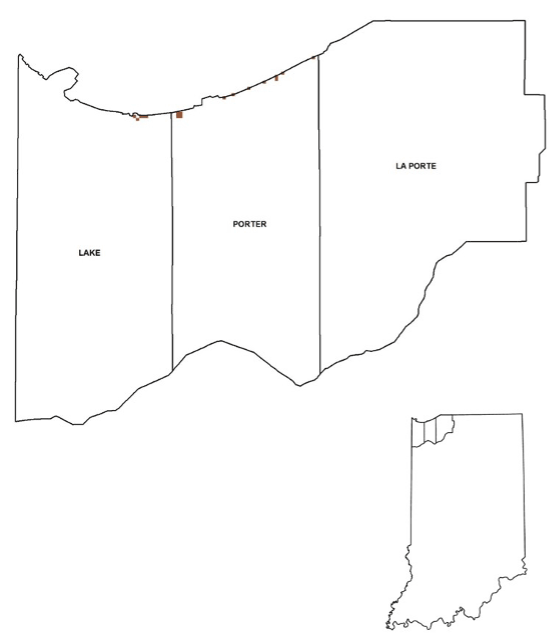
The variety of dune habitats offers a multitude of benefits to Hoosiers and guests. The dunes region is home to many species and ecological communities, including 46 species of mammals, 18 species of amphibians, 23 species of reptiles, 71 species of fish, 60 species of butterflies, and 60 species of dragonflies and damselflies. Some of these species are found nowhere else in the state. Walking and nature trails, as well as the dunes themselves, offer opportunities for recreation. The Indiana dunes region is a national destination for birdwatching, including annual birding festivals. Beyond recreational activities, the landscape of the dunes acts as a geological record for four major stages of historic shoreline development at Lake Michigan. This makes the area a unique case for the study of one of the world’s largest bodies of fresh water.
Indiana Dunes National Park receives legal protections including fishing regulations, firearms laws, and prohibition of hunting and unauthorized structures, as well as regulations around disturbing wildlife, protecting animals and plants, endangered and threatened species, and reporting illegal environmental activity. Work is underway to remove invasive plants, with a long-term goal of total elimination and the replanting of native plant seeds to ensure local genotypes are preserved. The Endangered Species Act plays a crucial role in protecting the endangered and threatened fauna inhabiting the dunes, especially native insects.
However, the Indiana dunes ecosystem faces multiple challenges. Logging and commercial booms throughout the 1950s-60s brought about land erosion, introduction of exotic species, extirpation of some predatory species, and increased air pollution. In 1966, upon the opening of Indiana Dunes National Park, nearly 1,000 commercial buildings and home sites were built within the park’s boundaries, causing pressure on native habitats. More recent building projects have expanded statewide residential infrastructure by 6.9% from 2013-2023, reducing the total area available for native dunes to form and migrate. Contamination is also abundant in Indiana dunes. In 2005, 24 areas were identified by the Environmental Protection Agency as needing investigation for contamination from coal combustion residuals. Air pollution affecting the dunes originates from nearby industrial facilities such as steel mills and coal-fired power plants. This air pollution has negative effects on animals and humans, as well as the ecosystem as a whole.
The Indiana dunes ecosystem faces pressures from residential and commercial expansion as well as invasive species. Recent commercial expansion has caused erosion and destruction of native dune lands. In attempts to stabilize these habitats, introduction of non-native plants or fences is common. However, rather than supporting the ecosystem, these actions introduce further pressures in the forms of competition and growth restrictions. Non-native species may become invasive, outcompeting native plants for space and resources. Invasive exotic plants noted within Indiana dunes include purple loosestrife (Lythrum salicaria), garlic mustard (Alliaria petiolata), common reed (Phragmites australis), Canada thistle (Cirsium arvense), and hybrid cattail (Typha x glauca), among others. The loss of dune habitat has far-reaching effects on urban ecosystems as high winds and precipitation from storms are no longer reduced by the protective heights of natural dunes. The Indiana dunes ecosystem may also be affected by changes in climate patterns discussed in this supplemental report.
Additional pressures affecting dune ecosystems in Indiana can be explored here.
To conserve the dunes ecosystem, expanding land acquisition and easements and establishing and enhancing legal protection for state-listed species are opportunities highlighted by conservation professionals based on the most prevalent recognized ecosystem pressures. Acquiring priority conservation lands will allow for management and monitoring by key stakeholders, which may reduce the threat of residential or consumer expansion. In this effort, conservation partner stakeholders will need to be identified, with subsequent relationships formed and research conducted. Work may consist of creating an Indiana dunes priority land map, creating criteria for acquisition and easement decisions, and planning pitches for funding. Further relationships will need to be established with landowners to discuss acquisition and easement opportunities, resulting in the net gain of priority lands. Long term maintenance may then be established via management plans, leading to conservation of the ecosystem and its human benefits and ecological services.
Expansion of legal protection for state-listed species will help protect the native plants and animals within the dunes, while minimizing stress from invasive species and habitat destruction. This opportunity relies strongly on the public and DNR to support policy changes. Dissemination of information pertaining to wildlife in the dunes and relevant human, economical, and ecological benefits will help encourage these priority groups to take supportive action.