
Caves and Karst
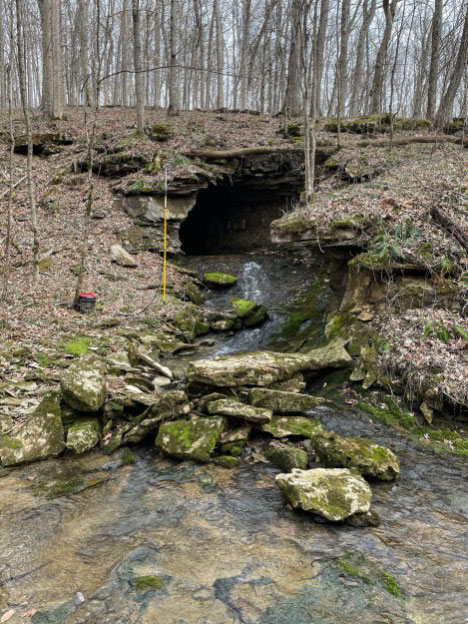
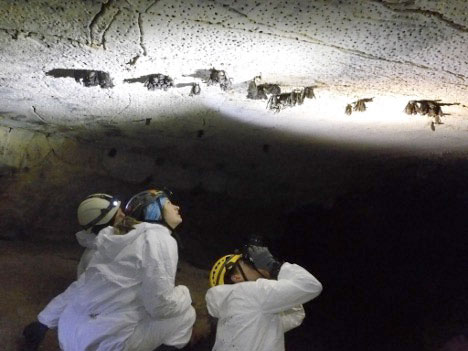
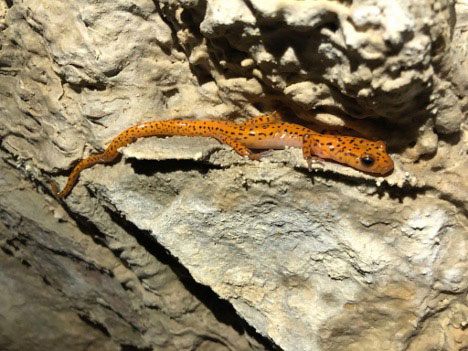
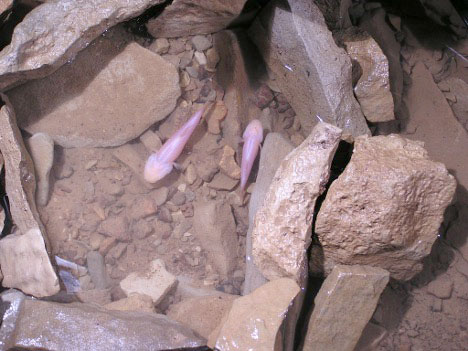
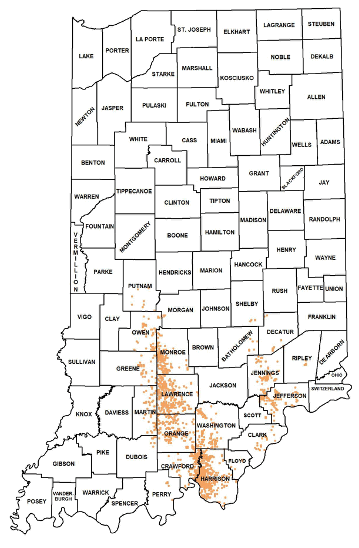
The caves and subterranean karst ecosystems of southern Indiana stretch across three major SWAP regions – valley and hills, interior plateau, and drift plains. In these areas, the underlying limestone bedrock has been shaped over millions of years, creating an intricate landscape of sinkholes, underground streams, springs, and caves. These rare geological formations create systems of chambers and tiny spaces in the stone that support specialized ecosystems both above and below ground. Cave salamanders (Eurycea lucifuga) and tricolored bats (Perimyotis subflavus) make their homes in the caves, while species like Kendeigh’s groundwater isopods (Caecidotea kendeighi) populate underground seep springs. Due to their location within cracks in the bedrock, many of these habitats are isolated from the outside world, resulting in unique characteristics. These ecosystems can be difficult to study and are extremely sensitive to change. Species of Greatest Conservation Need that inhabit caves and karst ecosystems include tricolored bats (Perimyotis subflavus), Indiana bats (Myotis sodalis), Hoosier cavefish (Amblyopsis hoosieri), and four-toed salamanders (Hemidactylium scutatum).
Areas classified as caves and karst ecosystems in Indiana.
- Ecosystem Services and Human Benefits
The sinkholes, underwater streams, and groundwater reserves of Indiana’s subterranean ecosystems are integral to local water cycles, both for humans and animals. Water filters through tiny cracks in the rock or through spaces between pebbles underground. About two-thirds of Indiana households rely on groundwater reserves for their water use. Much of this groundwater is filtered through or stored in the tiny fractures and pores of the state’s karst formations. Keeping these ecosystems clean protects the aquifers that supply our drinking water. It also protects the unique species that live there. Many rare and remarkable animals survive in the fragile caves and karst ecosystems. At least three Indiana cave systems are considered global biodiversity “hotspots” – Binkley Cave, Lost River Cave, and Wyandotte Cave. These habitats make Indiana a destination for rare opportunities in scientific research.
- Ecosystem Status
Though we don’t have an estimate of how much area Indiana caves and karst ecosystems cover, the 2011 karst inventory listed 154,889 distinct elements in the state. These ecosystems are home to diverse fauna such as bats and invertebrates. In recent years, the causative agent of white nose syndrome (WNS) has spread among these ecosystems, greatly reducing bat populations and habitat viability. WNS is a white fungus and infectious disease that grows on the muzzle, wings, and ears of cave-dwelling bats. Its growth is particularly high during winter hibernation, when bats rely on caves for protection. First noted in the United States in 2006, WNS has led to an estimated 5.7 to 6.7 million bat deaths across eastern North America, with mortality rates of up to 90% in infected caves. The disease has been recognized as a growing and prominent concern in Indiana caves and is widely distributed throughout the south-central region of the state.
Indiana’s caves and karst ecosystems are vulnerable to contaminated groundwater as sinkholes and swallow holes promote polluted surface water flow into the ground’s subsurface without filtration from soil and bedrock. The interconnected network of conduits and fractures in karst aquifers creates rapid water movement, widely spreading these contaminants. A common pollutant in Indiana’s karst regions is nitrate, stemming from agricultural lands and practices. Contamination has ecological impacts, including harm to sensitive freshwater aquatic organisms. Nitrate from fertilizers or animal waste is also a health concern for young infants and newborns, leading to conditions such as low birth weight when ingested via contaminated wells. While all public drinking water supplies in Indiana are tested regularly for contaminants under the Safe Drinking Water Act, private wells are not monitored by a government agency, increasing the risk for human ingestion.
- Ecosystem Pressures
Caves and karst ecosystems in Indiana face major pressures from diseases and agricultural pollutants. Prominent diseases include WNS and histoplasmosis, fungal pathogens that threaten wildlife and their habitats. WNS infections throughout the state have led to an estimated 17% decline in total hibernating bat populations from 2011-2020, with a 19% decline in Indiana bats (Myotis sodalis). The Indiana bat (Myotis sodalis) is currently listed as federally endangered, and its hibernation patterns via large groups in a limited number of caves make it especially susceptible to disease outbreaks such as WNS.
Pollutants and effluents originate from agricultural, silvicultural, and aquaculture systems and include nutrients, toxic chemicals, and sediments. Because nearly 60% of Indiana’s drinking water comes from groundwater found in wells, monitoring groundwater safety is imperative. Levels of nitrate in public water supplies are generally safe, with less than 2% of supplies having nitrate levels exceeding the drinking water standard. However, studies by the United States Geological Survey and the Indiana Farm Bureau recently found nitrate concentrations greater than drinking water standards in 3.5%-4.5% of private wells in the state.
Additional pressures affecting caves and karst ecosystems in Indiana can be explored here.
- Ecosystem Conservation Opportunities
Conservation professionals highlighted two opportunities for reducing pressures in cave and karst ecosystems. The first is to develop and implement cave and karst management plans. Many stakeholders may be included in these actions, including government agencies, nongovernmental organizations, cave entity caretakers, cave users, and community leaders. Forming a cave coordinator position within DNR may facilitate guideline standardization for public outreach and ecosystem research. Research needs include collection of relevant data on changes in climate as well as in water quality, habitat violations and their direct impacts, cave adaptations, and current conservation action outcomes. Over time, adaptive management plans may be updated and expanded through stakeholder innovation and involvement. The goals of such practices include reducing the amount of pollutants and sediment entering caves, moderating visitation of caves and karsts to a safe level, reducing invasive species, and mitigating the spread of disease.
The second highlighted opportunity is to promote predictable DNR funding for land protection. Predictable and reliable funding from DNR can bolster management plans with required resources. Assessing DNR funding availability and ecosystem needs will allow key organizers to advocate for increased assistance in highest-risk areas. Collaborations with land trust communities and the public will facilitate greater support from relevant decision makers. With proper funding comes long-term conservation action, providing economic benefits back to the state and overall healthier ecosystems.