Windstorms are severe thunderstorms that carry strong winds of 58 mph or greater. High wind gusts can cause isolated damage, but sustained high-speed winds and gusts of at least 58 mph are considered severe and often called “straight-line winds.” These storms can cause widespread damage to roofs, mobile homes, trees and power lines. They can blow objects around and pose significant threats to your safety if you are not prepared.
Wind Advisories
The National Weather Service and local meteorologists may issue various kinds of wind advisories if strong storms and winds are expected to hit the area. Pay attention to these advisories to know how this may affect your home or plans for the day.
Windstorm Safety Tips
Quick Tips
- Secure loose outdoor items so they do not blow away into buildings or roadways.
- Park vehicles in a covered area or away from trees or structures that may fall.
- Sign up for weather alerts from the National Weather Service or local media sites.
- Stay away from fallen power lines and report them to 911.
- If safe, clear fallen debris away from roadways to ensure first responders can get access to areas that need assistance.
Types of Storms
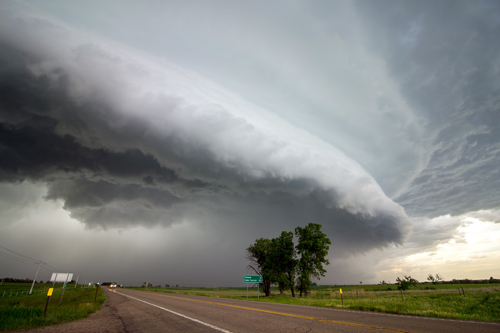
Tornadoes are known for their dangerous, circular high-wind speeds that can cause major damage to a community. There are other types of storms whose winds move in straight lines instead of rotating, such as small but strong windstorms called downbursts.
Similarly, derechos are large, powerful wind events produced by severe thunderstorms. According to the National Oceanic and Atmospheric Administration, derechos cause more fatalities than EF0 and EF1 tornadoes due to derechos’ typical broad path of high winds and subsequent damage. It is common for derechos to travel at 60-70 mph and cause a wider area of damage compared to a tornado. Wind gusts exceed 58 mph along a path at least 240 miles wide and may even approach 100 mph, reaching hurricane force wind speeds, as they did in the June 2012 derecho that crossed northern and central Indiana.
Important to note: As a storm approaches, the National Weather Service will issue a Severe Thunderstorm Warning instead of calling it a derecho. A derecho classification is determined afterward.
Before a Storm
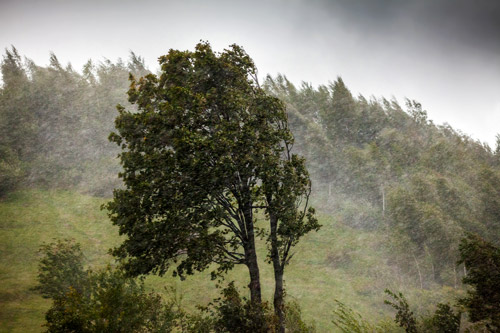
Ensure you and your family have an action plan before a windstorm hits.
- Create a disaster kit. Include flashlights for every household member, batteries, a radio and first-aid supplies. Learn more about disaster kits.
- Secure loose outdoor items so they do not blow away into buildings or roadways, causing damage or injuries. This includes lawn and patio furniture, grills, tarps, trash cans and play equipment like trampolines.
- Have a certified arborist evaluate trees close to the home to assess if parts of the tree are unhealthy or weak and pose elevated risks
- Park vehicles in a covered area or away from trees or structures that may fall.
- Install storm shutters or plywood over windows and doors if strong winds are forecasted. Windblown objects or debris could break windows.
- Sign up for weather alerts from the National Weather Service or local media sites to stay informed about changing conditions.
During a Storm
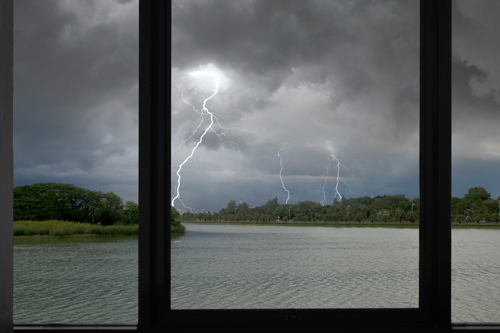
Follow these tips to stay safe while the storm passes through.
- Postpone all outdoor activities.
- Stay indoors and away from windows and doors.
- If outside, take cover in a sturdy structure or in a vehicle as a last resort.
- If driving, pull over to the side of the road. Keep your seatbelt on, lower your head below the window and cover your head and neck with your arms and a blanket.
- Do not take cover under a bridge. Strong winds can cause damage to the structure and funnel debris there.
After a Storm
Once a windstorm is over, be cautious before returning to regular activities.
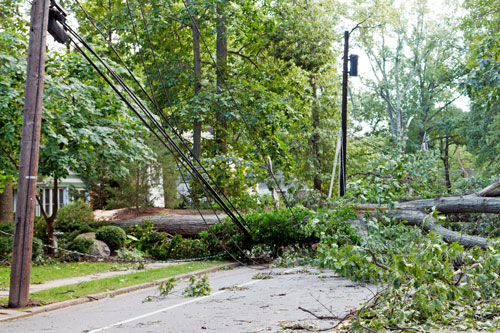
- Stay at least 35 feet away from fallen power lines and report them to 911 and the power company.
- If safe, clear fallen debris away from roadways to ensure first responders can get access to areas that need assistance.
- Check your roof to look for any loose shingles or tiles. Call a professional to patch those spots before the next storm.
- Make sure that all loose objects or items you secured are still in place. Retrieve them if they blew away and if it is safe to do so.
- Watch for guidance from local officials about possible debris clearing assistance.
- Follow power outage safety tips if the storm has disrupted service.
Resources
Websites
- Derecho Safety
National Oceanic and Atmospheric Administration - Severe Weather 101 - Damaging Winds
National Severe Storms Laboratory - Advisories Criteria
National Weather Service - Indianapolis - High Winds Safety Rules
National Weather Service - Melbourne (Florida)
Download Windstorm Tips