September is National Preparedness Month
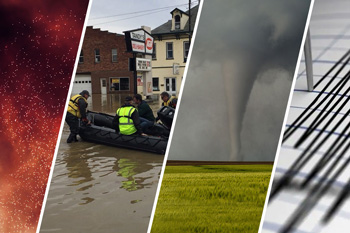
National Preparedness Month is recognized each September with the purpose of promoting family and community disaster planning. It is the perfect opportunity for Hoosiers to learn lifesaving skills, how to check insurance policies for common hazards and how to make and practice household emergency plans. Tornadoes, fires, snow and severe flooding are common occurrences to Hoosiers. Knowing how to stay prepared for these types of situations will not only minimize the effects, but also save lives. This year, learn the importance of creating a family emergency communications plan, assembling a disaster preparedness kit and identifying the different types of disasters that can happen locally.
Disasters can strike at any time, so during National Preparedness Month, IDHS encourages all Hoosiers to create or revisit their emergency planning and preparedness plans. You should:
- Make a plan.
- Be in the know.
- Build a disaster kit.
- Take the next step.
Always remember: Insurance is your first line of defense after a disaster.
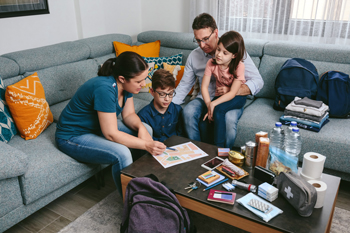
Make a Plan
Making a plan for you and your household is very important. It will keep everyone on the same page and allow everyone to be as safe as possible. Important things to consider include how to communicate, where to shelter and how to evacuate.
For more details, including step-by-step planning information and downloadable forms, visit the Make a Plan page.
Quick Tips
- Choose a location for household members to meet if separated during a disaster.
- Learn how to shelter in place and other types of sheltering methods.
- Develop a plan for when you must evacuate.
- Meet with your family and work on the plans together.
- Remember to plan for pets too.
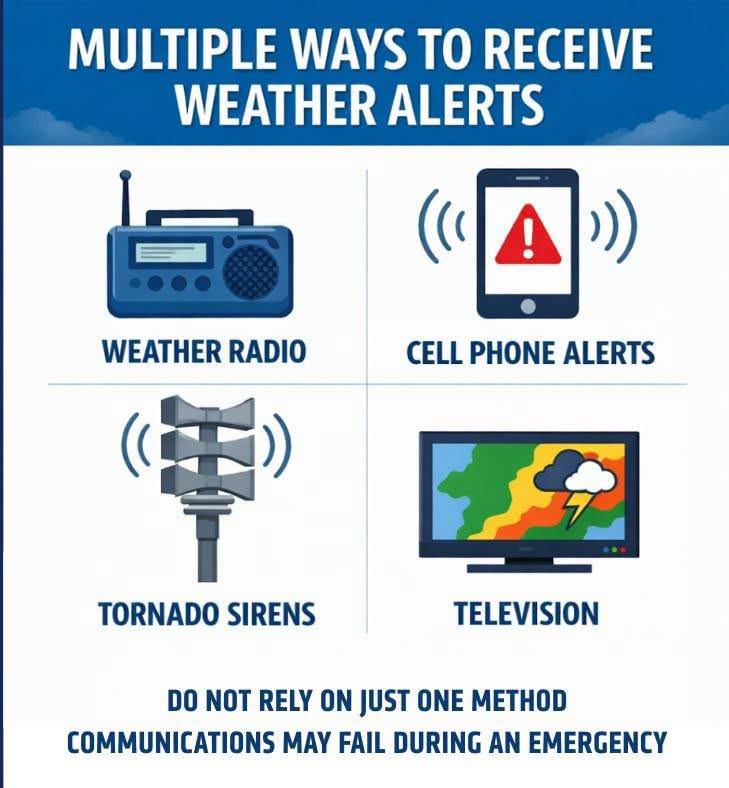
Sign up for your community’s warning system. Disasters can happen suddenly, so it’s important to have multiple ways to get alerts. The Emergency Alert System (EAS) and National Oceanic and Atmospheric Administration (NOAA) Weather Radio also provide emergency alerts.
Remember: Tornado sirens are not meant to be heard inside your home.
Build a Disaster Kit
All emergencies disrupt your daily routine. But some may make it difficult or impossible for you to return to normal quickly. In these situations, which may affect large numbers of people besides you, you may need to be as self-sufficient as possible to take care of yourself and your household. Having a disaster kit (or multiple sets of kits) ready to go could make all the difference in how well you weather a crisis.
As you assemble items for your kit, keep in mind that your primary goal is basic health and survival. Also, in some cases it may take emergency personnel several days before they can help you.
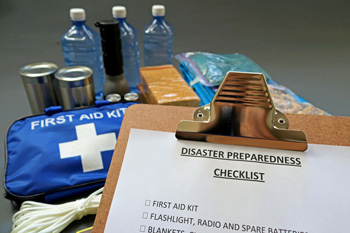
IDHS recommends you create disaster kits that are designed for at least three days. Each kit should include basic items like water, food, a flashlight, a battery-powered radio and a first aid kit.
For a more detailed list of items for disaster kits, visit the Disaster Kits page.
Must-Have Items
- Water
- Non-perishable food
- First aid kit
- Battery-powered or hand-crank radio
- Flashlight
- Batteries
- Local maps (in case of evacuation)
- Extra clothing
Take the Next Step
When communities work together, there’s nothing they can’t do. If you want help your community be more resilient, consider taking a training course through FEMA’s Training and Education Program, the American Red Cross, or your local emergency management agency to build or gain skills to protect yourself, family, friends and community.
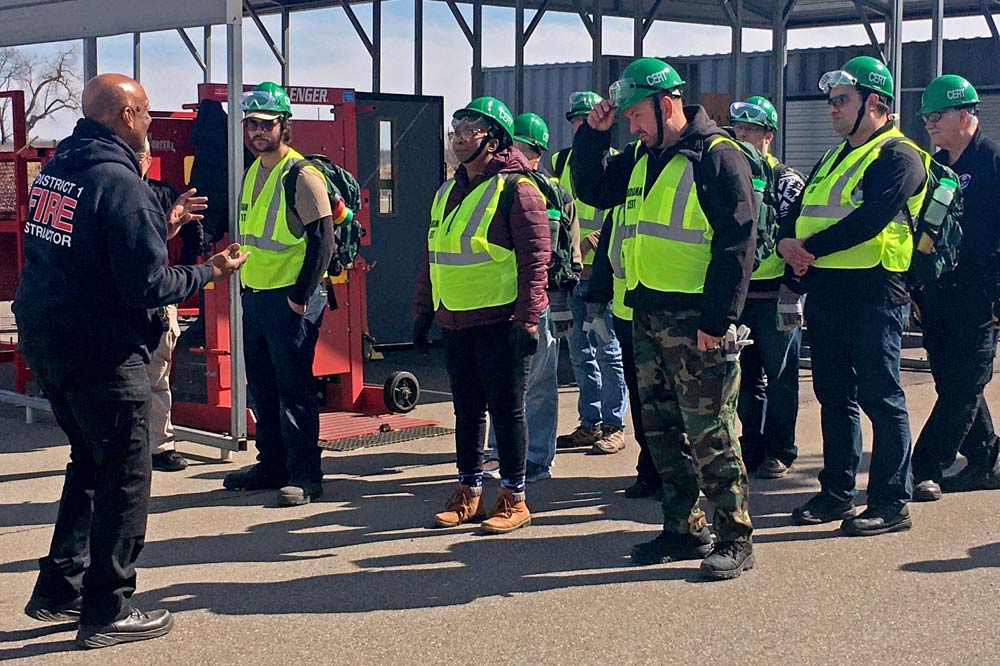
Passionate About Preparedness? Your Community Needs You!
Take an active role in local emergency preparedness by joining a local Community Emergency Response Team (CERT).
CERT members are volunteers in neighborhoods, workplaces and schools who have been trained in basic disaster response skills, including fire suppression, medical operations and urban search and rescue.