

Tuesday, March 3, 2026
Blog topics:
 PERSPECTIVES FROM THE CAMPUS
One of the strengths of Indiana is that we bring together a variety of perspectives from the plethora of areas that touch the field of cyber, especially through the colleges, universities, and other institutions of higher education throughout our state. Hence the name, “Perspectives from the Campus”, we invite experts – immersed in the pursuit of educating their students – to offer their knowledge for finding solutions in cybersecurity that benefit all Hoosiers.
In the latest installment of this series, David Dungan, who serves as the executive director at the Center for Security Services and Cyber Defense at Anderson University, joins in the celebration of National Consumer Protection Week by discussing some of the scams that cybercriminals are using to try and steal your personal and financial information, as well as your money. What’s more, he’ll share with you the warning signs to look for, and he’ll provide you with a few simple habits that you can use to help stay protected.
By David Dungan
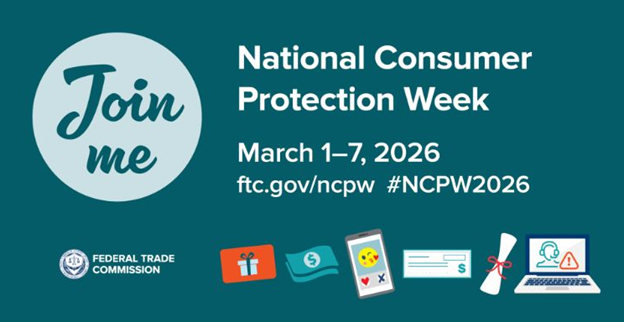
Every year, the National Consumer Protection Week, coordinated by the Federal Trade Commission (FTC) and organizations like the Better Business Bureau, is dedicated to helping individuals make informed decisions to avoid fraud.
From online shopping to mobile banking and social media, daily activities now happen at the click of a button. While technology brings convenience, it also creates opportunities for scams and deceptive practices.
Scammers often rely on urgency and emotion. You might receive a message claiming there’s a problem with your bank account, a delivery issue, or an urgent request from a trusted agency. Others might promote fake online stores, investment schemes, or a “once in a lifetime” job offer. These scams all have one thing in common, they hope you act quickly without verifying the details.
Fraud can affect everyone, but recent data from the FTC Sentinel Network shows that fraud can impact age groups differently. In 2025, adults aged 80 and older reported the highest median fraud losses at nearly $2,000 per case. Younger adults aged from 20-70 have much higher reporting numbers and lower fraud losses per case. Contact methods vary greatly, but trends show that social media scams target younger groups and phone calls target older groups.
Overall, online shopping is the most prominent scam. The Internet Crime Complaint Center (IC3) filed 147,123 complaints in 2024 regarding elder fraud with the 60 and over age group. All told, it amounted to $4.885 billion in losses, a 43 percent increase from 2023.
National Consumer Protection Week encourages consumers to slow down and ask questions:
- Is this message from a verified source
- Does this offer or information seem realistic?
- Am I being pressured to act immediately?
- Have I checked the reviews or the official websites?
Details such as a fake email address containing slight differences from a real email address can be warning signs for fraud. The context of the message may seem off, like an email requesting a password change without that change actually being requested.
Simple habits can make a meaningful difference. Be sure to take the time to research unfamiliar businesses before making purchases. Avoid clicking on any link in unsolicited emails and text messages. Review your bank account transactions and credit card statements regularly. And use secure payment methods when shopping online. If something feels off, investigate it. It’s OK to trust your instincts as a way to avoid trouble.
If you do spot a scam, report it! You can go online and tell the FTC what happened and, in doing so, you can help stop fraud at: ReportFraud.ftc.gov. Here in Indiana, if you believe you’ve been a victim of a scam or identity theft, visit the “Report the Cyber Incident” page on the Indiana Cyber Hub website. There you’ll find the steps to report the cybercrime and begin recovering.
Initiated in 1998, National Consumer Protection Week serves as an annual reminder that informed consumers are empowered consumers. By staying alert, asking questions, and sharing knowledge with family and friends, consumers can strengthen their collective defense against fraud.