

2011 Success Stories for Howard County
WATER BLITZ
Working with the Wabash River Enhancement Corporation Howard County SWCD has used volunteers to do a water quality assessment on sites within the Wildcat Creek watershed since the spring of 2011.
Volunteers monitor temperature, water cloudiness (turbidity), nutrient levels, and pathogen concentrations. Monitoring takes place two times a year, April and October.
MRBI
Mississippi River Basin Healthy Watersheds Initiative (MRBI) - Cooperative Conservation Partnership Initiative (CCPI): Reducing Sediment and Nutrient Leaching to the Mississippi River Basin through a Conservation Systems Approach
A total of $2,138,070 has been appropriated for conservation practices that support the Mississippi River Basin Incentive throughout Carroll, Clinton, Howard, Tippecanoe, and Tipton Counties. Grant objectives were to promote USDA Farm Bill programs that avoid, control, and trap nitrogen and sediment within the Wildcat Creek watershed.
WILDCAT EXPERIENCE
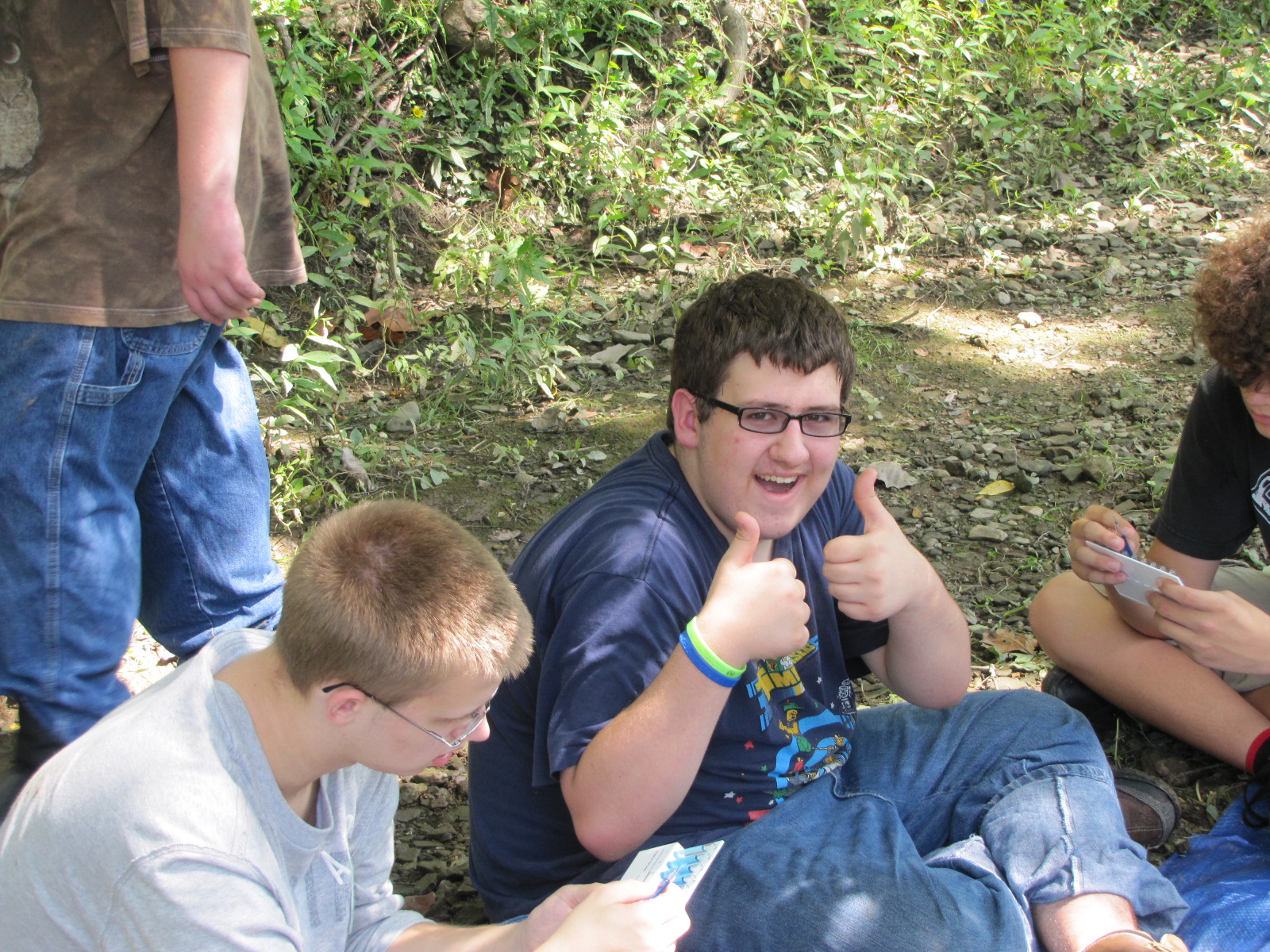
Howard County SWCD partners with Howard County Stormwater District and other conservation agencies for the “Wildcat Experience” or W.E. This is an event for high school students from county schools to experience and learn more about the Wildcat Creek and their natural resources. They get to canoe a section of the Wildcat Creek then travel to different stations and learn about natural resource concerns. Learning stations include wildlife along the Wildcat Creek, watersheds, and career options in environmental science just to name a few.
This experience brings the students up close and personal to the outdoors and delivers a message that they can do their part, no matter how small to preserve our natural resources.
CLEAN WATER INDIANA
Howard County has a partnership with Tipton County providing cost-share to landowners who are planting cover crops as part of a soil health program. Landowners within the designated watershed who plant cover crops are reimbursed through the grant for a portion of their seed cost. By providing this cost-share, landowners are increasing the amount of cover crops planted and increasing the health of our soil.