


Ready to get started? Find resources for…
Learn More Indiana helps Hoosiers access college and higher education resources in the state of Indiana by connecting students, families and educators to college resources and information, financial aid and the 21st Century Scholarship.
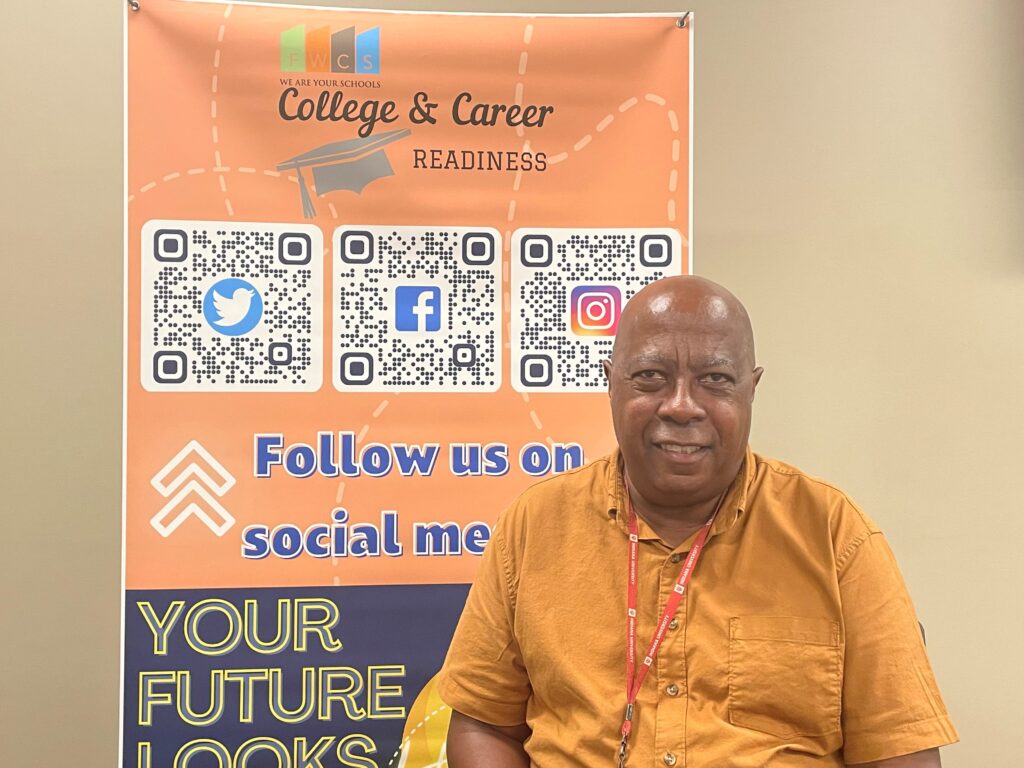
MARTIN MURPHY
College and Career Readiness Coordinator, 21st Century Scholars Program and FAFSA Completion
Fort Wayne Community Schools
“The resources, tools and information Learn More Indiana provides allowed me to be successful in preparing students for postsecondary opportunities. Also, Learn More Indiana has aided me in assisting parents, educators and colleagues. I like to refer to Learn More Indiana as a ‘one-stop shop for postsecondary opportunities, management, attainability and success.'”
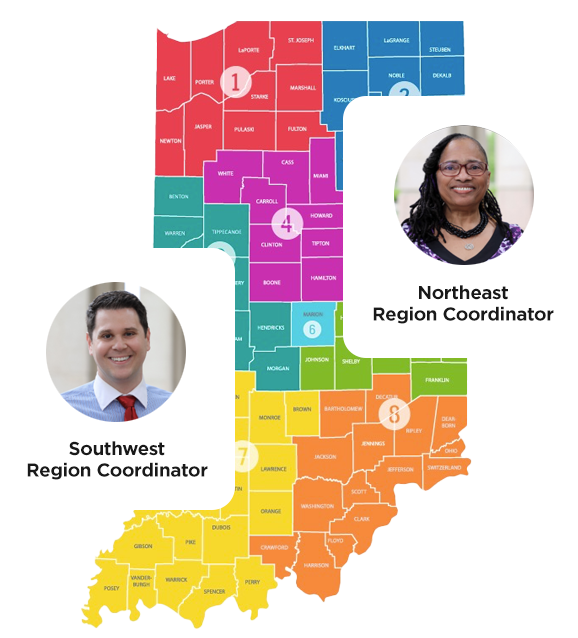
School counselors, parents/guardians or students needing one-on-one help with the 21st Century Scholars program or any of Indiana’s financial aid programs can get in touch with their regional Outreach Coordinator. Find yours now!
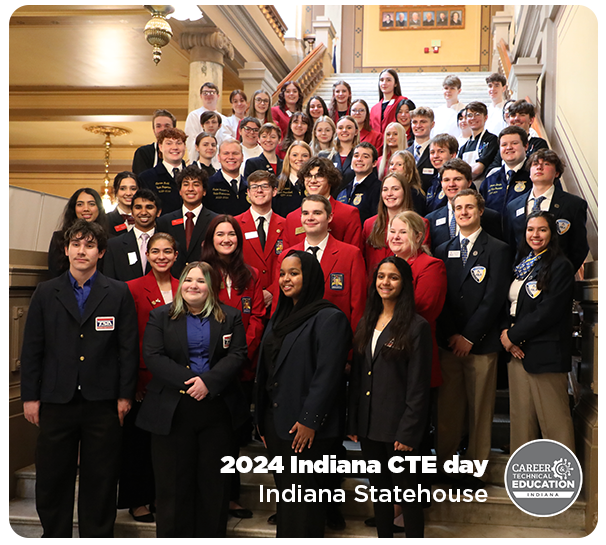
These downloadable resources aim to equip Indiana educators and counselors with the insights and tools needed to support students’ college and career planning.
This is the invisible first accordion item. Do not remove this or the functionality will be lost.